Eline Deckers works in hard light and is not afraid of the dark. The Antwerp-based photographer shoots under the name Studio EDX, and she makes black-and-white street photography with the contrast turned all the way up.
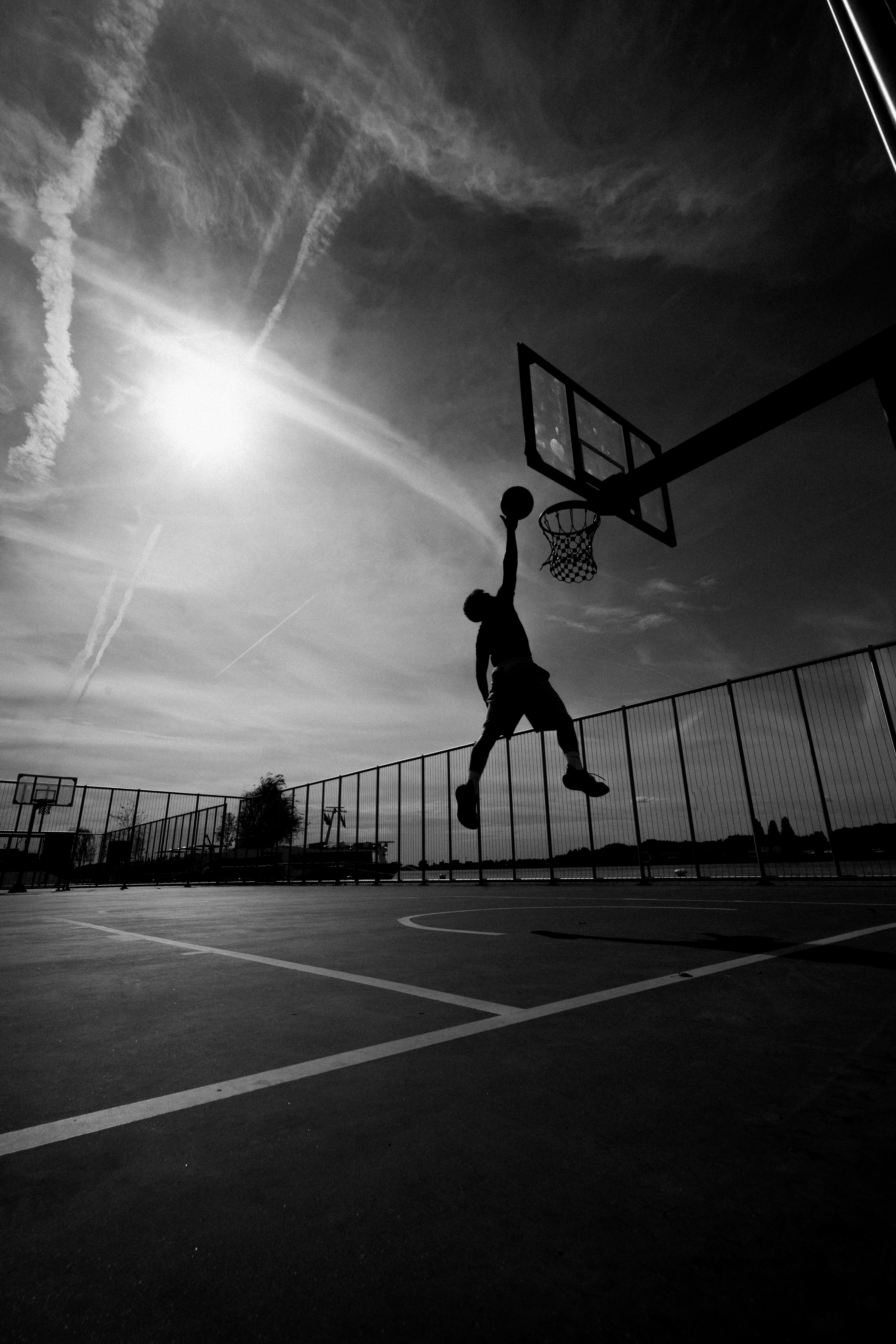
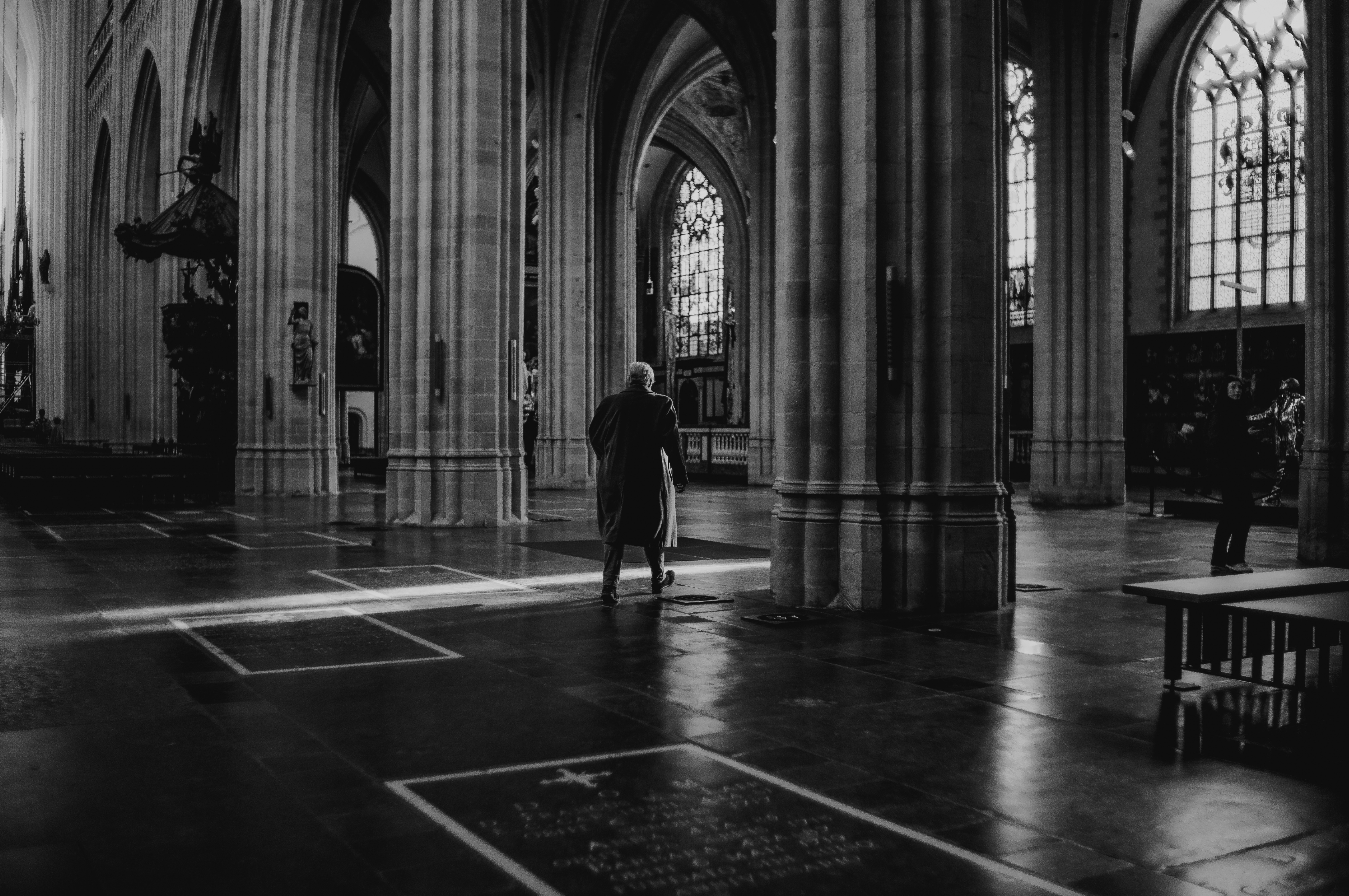
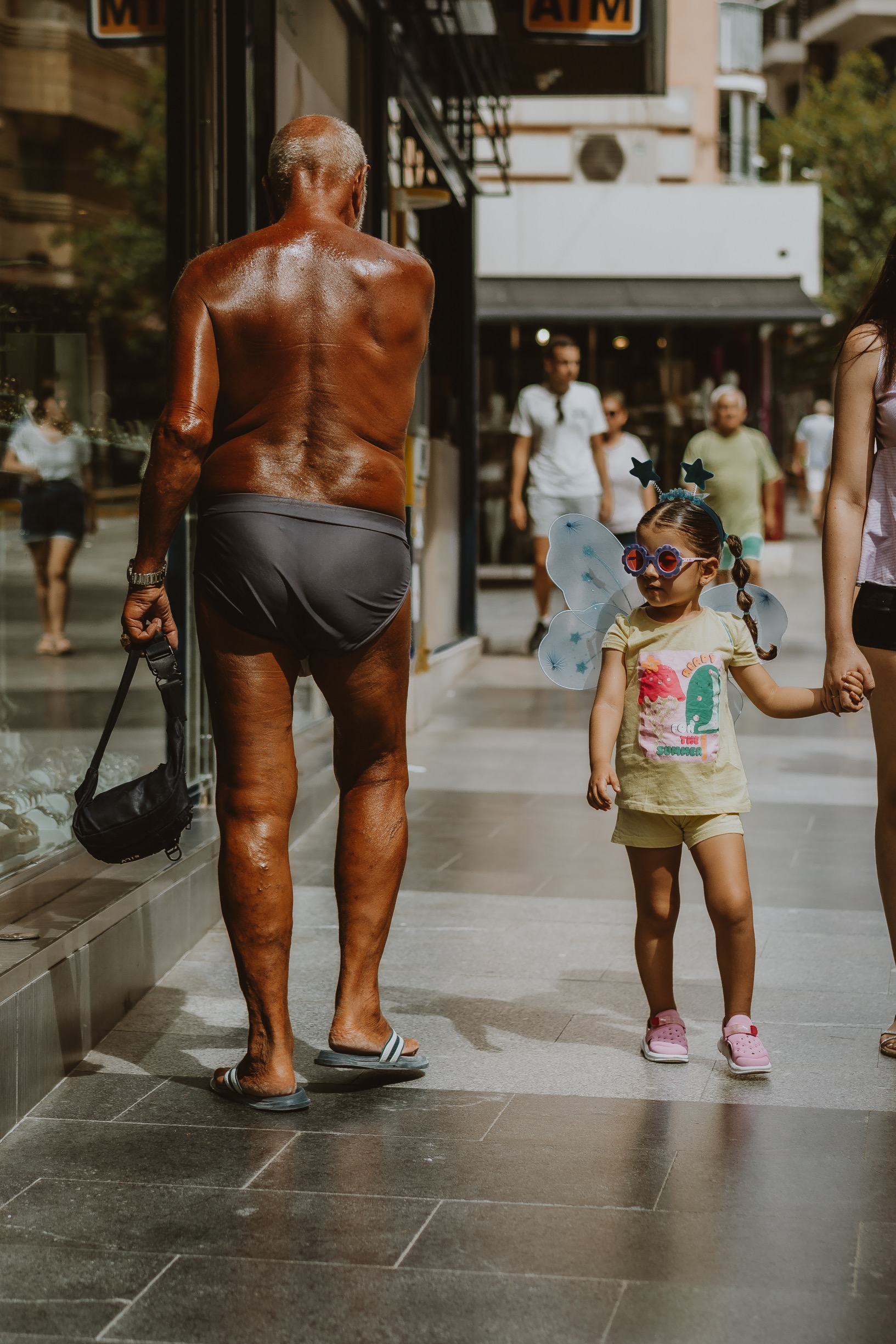
A figure in a wide-brimmed hat is reduced to a silhouette in a black alley. Commuters smear into ghosts under arched station windows. A man in a doorway is cut clean out of a concrete wall by a single wedge of sun. Then, occasionally, a frame arrives in teal and red, and it lands like someone turning the lights on.
We spoke with Eline about shooting into shadow, standing closer than is comfortable, and the affection running underneath all that noir. We also talked about what happens to street photography when you know a city so well that you stop seeing it.
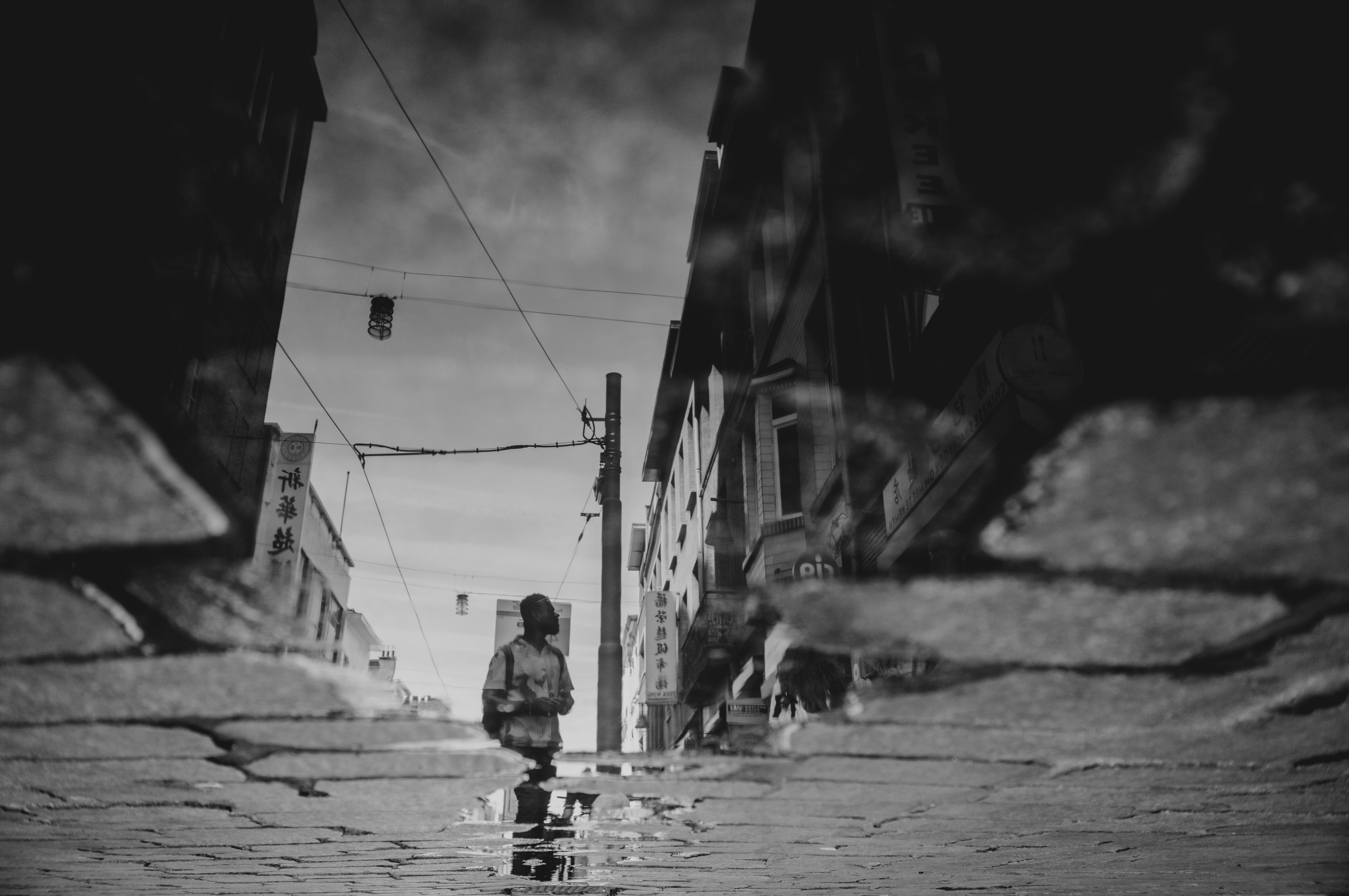
The Camera She Put Away for Years
Eline, let’s start at the beginning. How did street photography get hold of you? And what is Studio EDX?
Street photography actually found me quite early. Throughout my teens and early twenties, I was always searching for something that would give my creative side a place to exist. I tried everything from painting to interior decoration, and I even went to cooking school in my teens.
When I was around 17, I became interested in photography. I bought my first camera and simply started shooting, without really knowing anything about aperture, ISO, or shutter speed.
In my early twenties, I traveled quite a lot with my parents, especially to Hong Kong and Singapore. That was where I first started photographing the streets. But technically, I had no idea what I was doing. I didn’t know Lightroom or much about editing in general, and I didn’t really understand my camera. Because of that, I didn’t think my photographs were good enough.
I eventually convinced myself that maybe photography wasn’t the creative outlet I had been looking for after all. So I put my camera away for several years.
The Old Files That Changed Her Mind
During the pandemic, I met the man who is now my husband. He happens to be a photographer as well, and he taught me the technical side of photography and editing.
I went back through those old RAW files from my travels. At that point, I saw them completely differently. The photographs I had dismissed years earlier were actually quite good. I had been seeing things before I knew how to technically translate them into the images I wanted to make.
That realization changed everything. I bought myself a new camera and just started practicing again.
And that is where Studio EDX comes in. Street and documentary photography are where my heart is, and probably always will be. But Studio EDX grew into something broader than that. I also genuinely love photographing weddings, working with people, or spending a day in nature.
I don’t want to put myself in one category. My street photography is the foundation of how I see, and it influences almost everything I shoot. But photography is much bigger than one genre for me.
Why She Shoots Into the Shadows
Most photographers spend their lives avoiding harsh midday light. You seem to hunt it. You expose for the highlight and let everything else fall into black. What made you commit to shooting street photography that way?
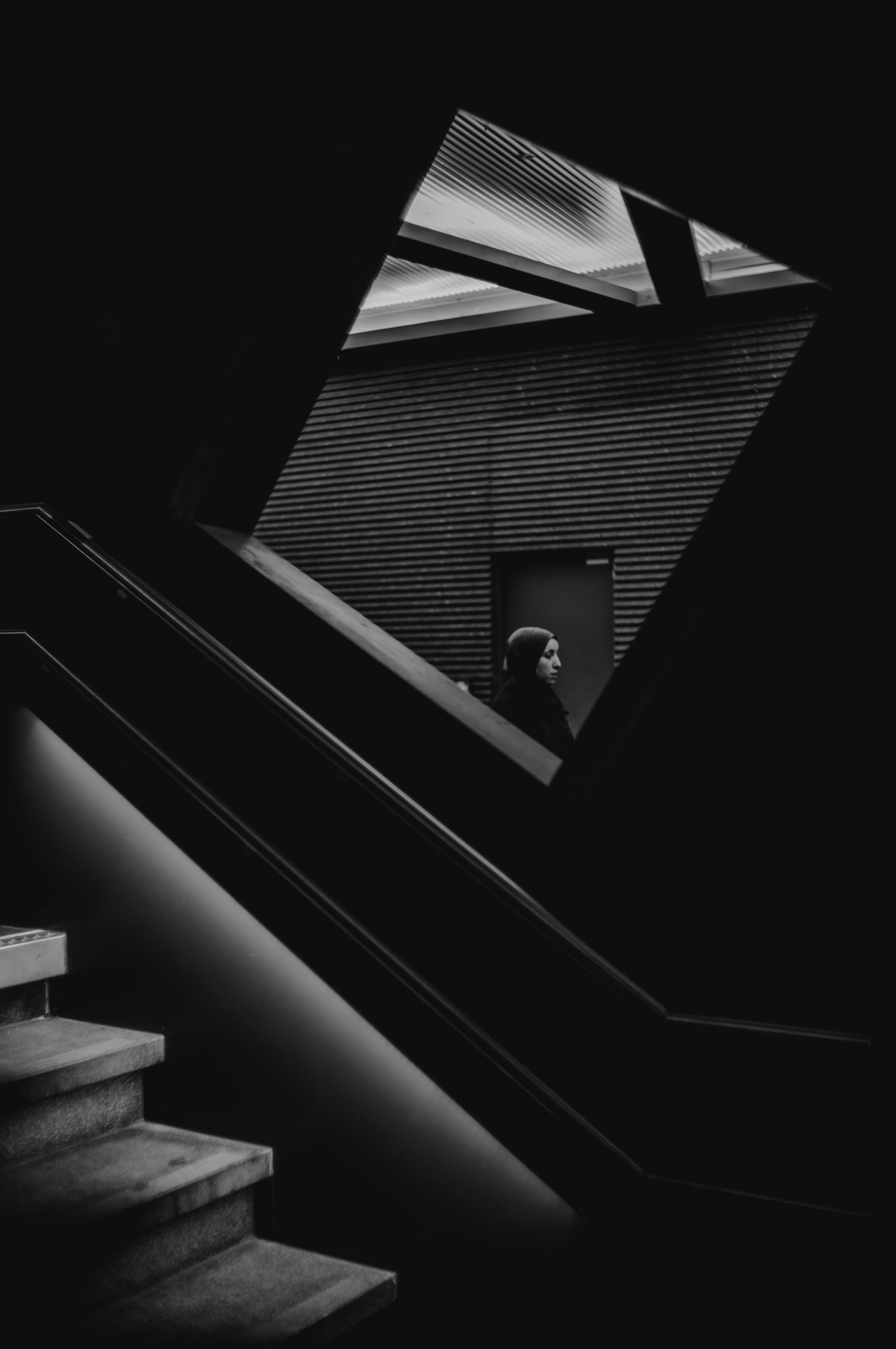
I don’t think it was ever a conscious decision to start photographing this way. I’ve always been very drawn to strong contrast. Over time, I noticed that I kept looking for those extremes of light and shadow. Eventually it just became part of the way I see.
I actually like that the shadows don’t tell you everything. I don’t necessarily want every part of a photograph to be readable. Leaving areas completely dark creates a bit of mystery, and it gives the viewer room to interpret what might be there. Sometimes what you don’t see can be just as important as what you do.
What Her Street Photography Leaves Out
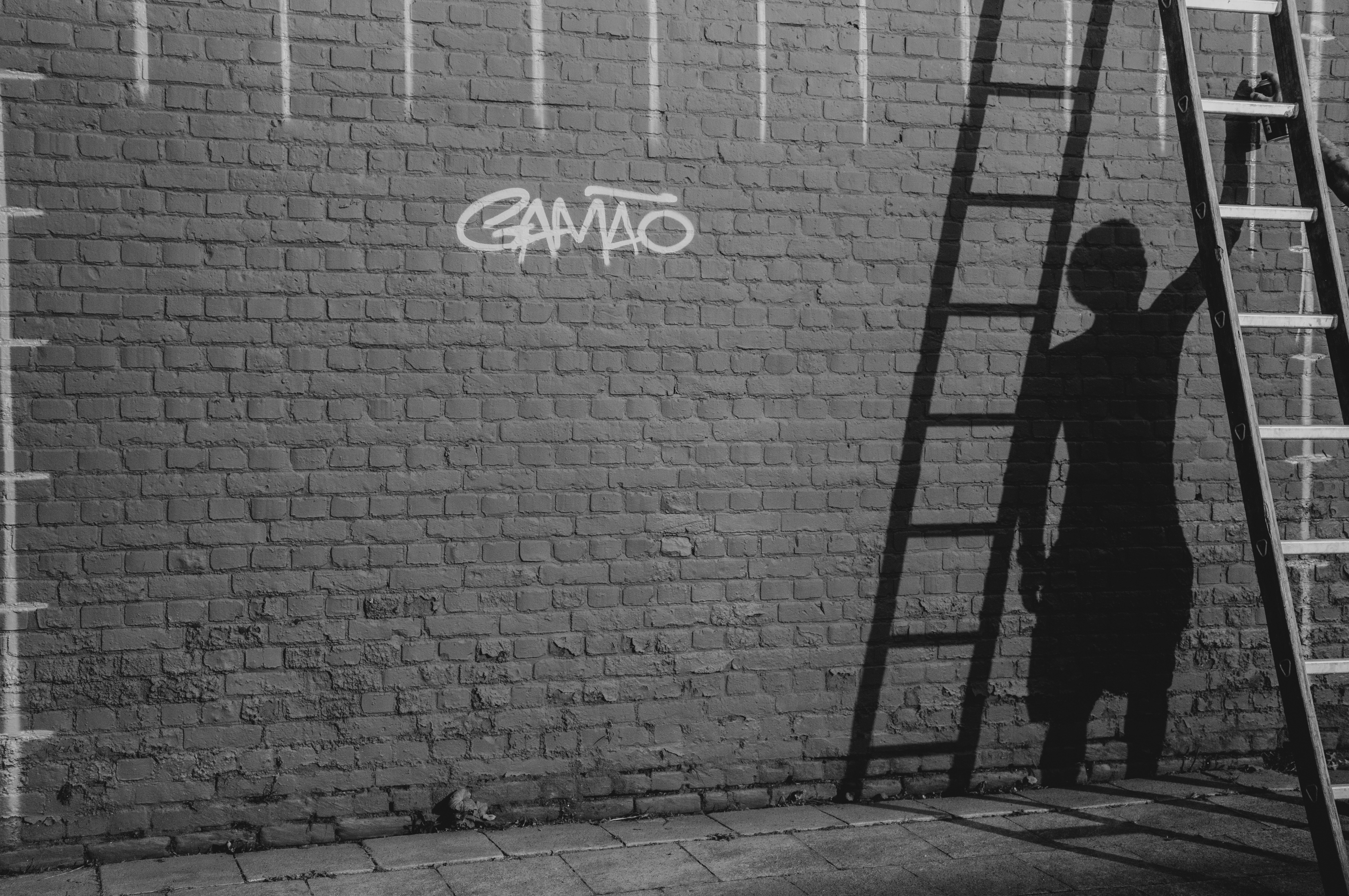
It also helps me simplify a scene. Street photography can be incredibly chaotic, especially in a city. There are signs, cars, people, and objects everywhere. Not all of that needs to be part of the story I’m trying to tell.
If something distracts me from what my eye caught in the first place, I’m perfectly happy to let it disappear into the shadows. Instead of trying to fit everything in the frame, I can use light to decide what deserves to be seen.
So when you ask what I gain from losing that much of a frame, I don’t really see it as losing something. I’m removing information to give more importance to what remains. A small figure walking through a patch of light can sometimes tell me much more than seeing the entire street around them.
When a Photograph Gets to Keep Its Color
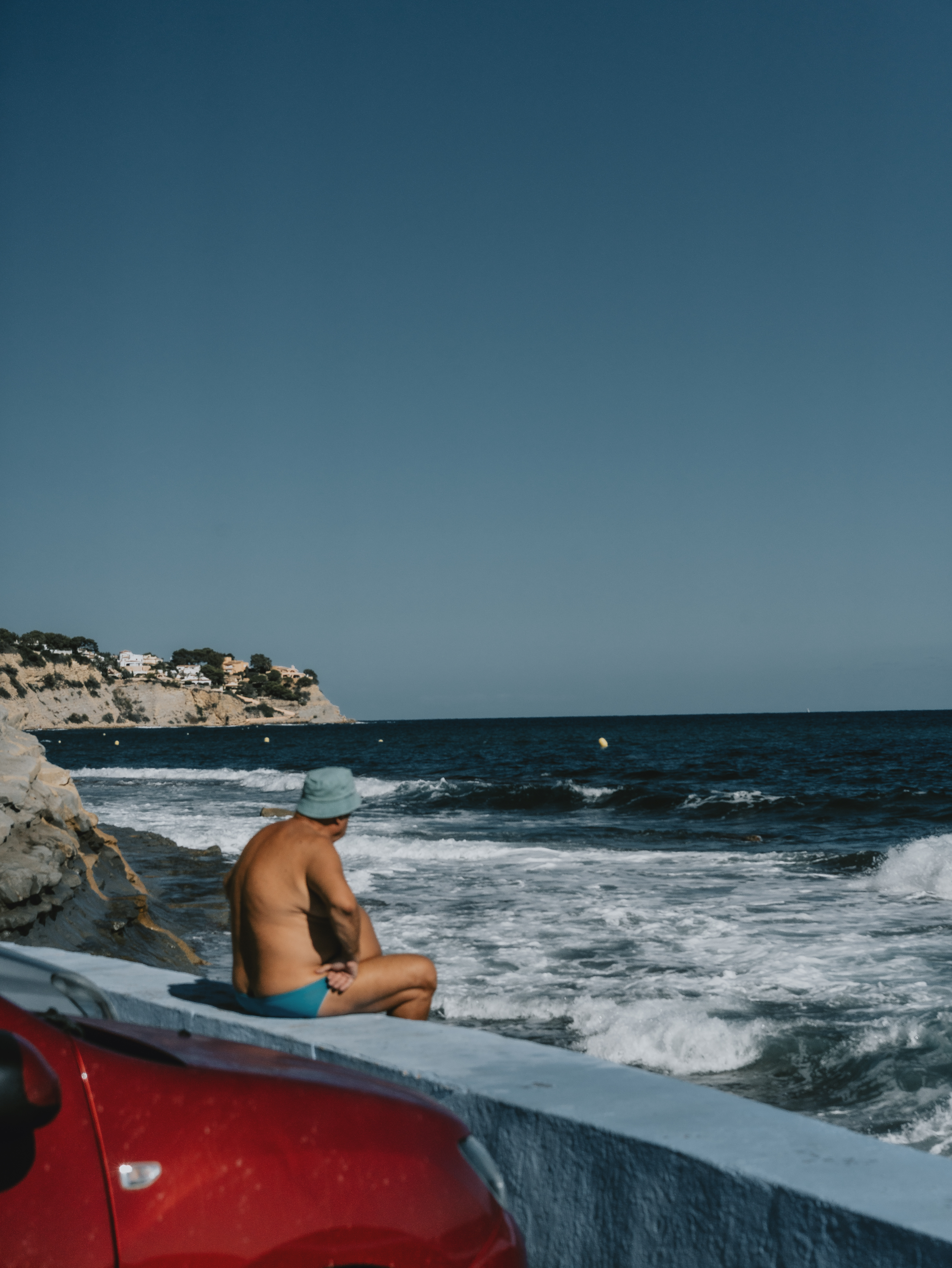
Your work is overwhelmingly monochrome. Then a shot arrives in saturated teal and red and stops everything. What has to happen in a scene for you to let it keep its color?
I always shoot with my camera set to a high-contrast black and white profile. The RAW files still contain all the color information, of course. But while I’m photographing, I don’t want color to influence the way I see a scene. I want to concentrate on the composition, the light, and the moment itself.
So the decision usually happens afterwards. When I’m editing, black and white feels natural to me for many of the same reasons I mentioned before. It strips away information and leaves room for interpretation. You’re not being told a wall was red or someone’s coat was blue. You’re left with the light, the shapes, the people, and whatever story you find within them.
But every now and then I open an image, and the colors just make sense. There’s not really a formula for it. Sometimes the colors are exactly how I remember imagining the photograph when I took it. Other times, color becomes such an important part of the scene that removing it would take something away from the story.
Frozen or Smeared: Her Two Speeds
You have two speeds. The station frames dissolve people into pure motion. Then there are silhouettes so clean they look cut out with scissors. Do you decide which one a scene is going to be before you raise the camera?
I usually decide before I raise the camera. In train stations, or in places where there’s a lot of movement, I love working with slower shutter speeds. Places like this are full of people, movement and constant change. I don’t necessarily want to freeze all of that. I want to show a sense of movement, rather than turning a place that is constantly in motion into a completely still moment.
So when I see a scene, I usually already know whether I want a slow shutter or a frozen one. The shutter speed follows what I want the scene to feel like, rather than deciding the image for me.
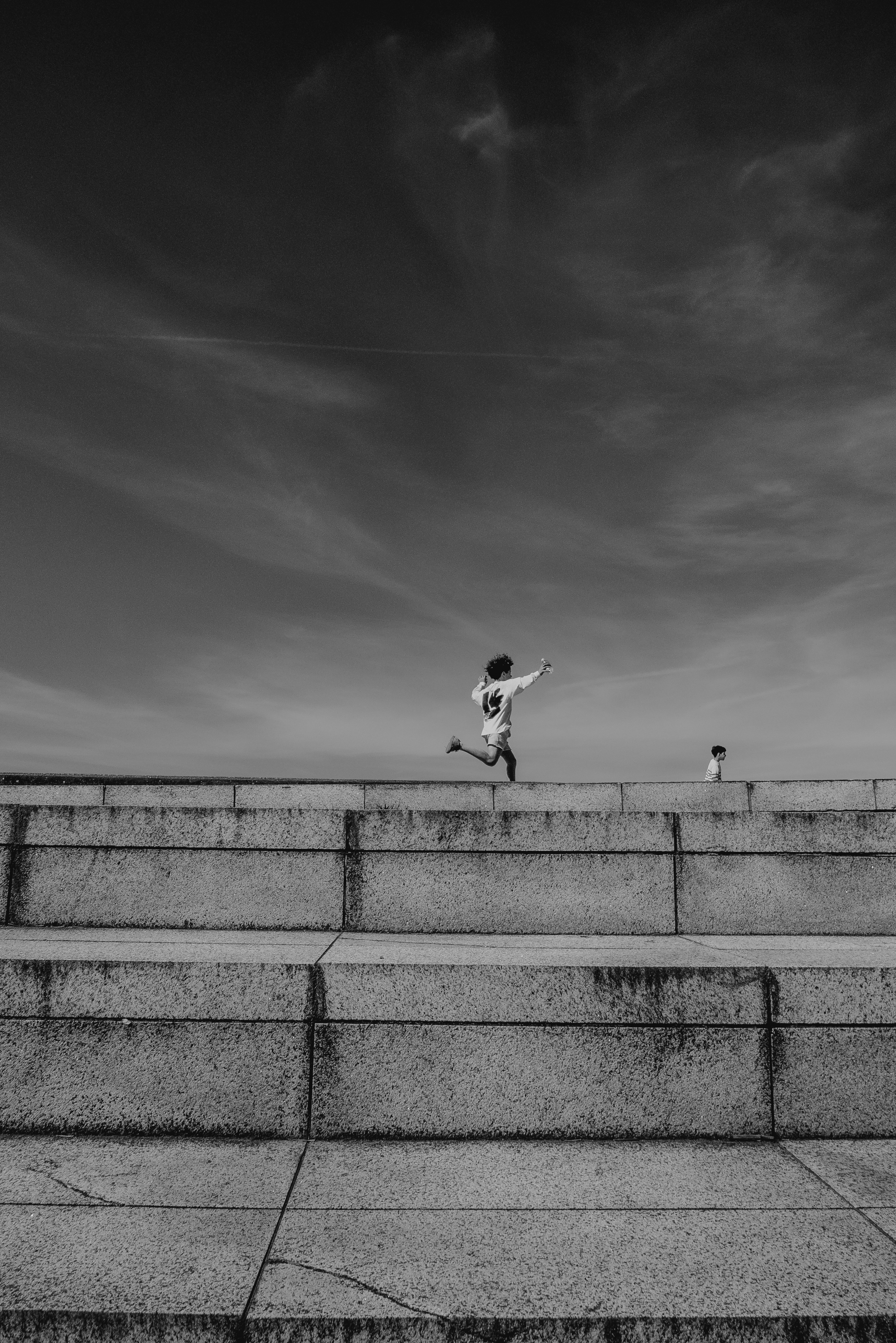
With silhouettes, it’s almost the opposite. There I want that very clean, graphic feeling. I’ll find the composition and the light, and I want the person entering the frame to become a perfectly defined shape. In those photographs, I want to freeze the moment completely.
I think I use the two approaches to show time in different ways. Sometimes I want you to see time passing through the frame. Sometimes I want to stop it for a fraction of a second. It depends entirely on what the scene is giving me.
The Problem With Knowing a City Too Well
Antwerp is a compact city, and you clearly know it well. There is a real risk in that, because familiarity makes people stop looking. Does knowing a city too well ever work against you?
A hundred percent, yes.
Knowing a city really well means knowing almost every street and corner. You know where things tend to happen. You know where the light can be interesting, and which neighborhoods have a certain energy. Sometimes you can almost anticipate a photograph before it happens.
But familiarity can absolutely work against you too. You can return to the same place two or three times and suddenly stop seeing anything at all. It becomes predictable, and eventually even a little boring.
To be completely honest, I feel like I’ve slowly been losing some of my inspiration in Antwerp for exactly that reason. I’ve walked these streets so many times that it becomes harder to look at them with fresh eyes.+
Starting Over on the Costa Blanca
But I’m also about to experience a major change. I’m moving with my family to Altea, in Spain. I’ve been coming to the area for years, so it isn’t completely unfamiliar to me personally. Photographically, though, it feels like an entirely new world.
My surroundings will suddenly change from the streets of Antwerp to small towns along the Costa Blanca, with vibrant cities like Alicante, Valencia, and Benidorm nearby.
I think that’s exactly what I need right now. I’m curious to see what happens to my photography when my surroundings become unfamiliar again. I’m especially interested in documenting ordinary life there, rather than photographing Spain as a beautiful destination. I want to get to know the place through the people who actually live there.
My inspiration in Antwerp was slowly starting to fade, and my eagerness to go outside was close to zero. But with this move ahead of me, I feel completely inspired again.
How Close Is Too Close
Several of your frames are made from very close range, and the subject has not always noticed. That takes a specific kind of nerve. How close is too close for you, and what happens when someone catches you?
I always ask myself the same question. Would I be okay with this? That’s probably where I draw the line.
I did have to practice it, though. It’s not something I did from the beginning. Honestly, I was scared to get so close to people, so I just didn’t do it. Meanwhile, my head was always telling me to just do it.
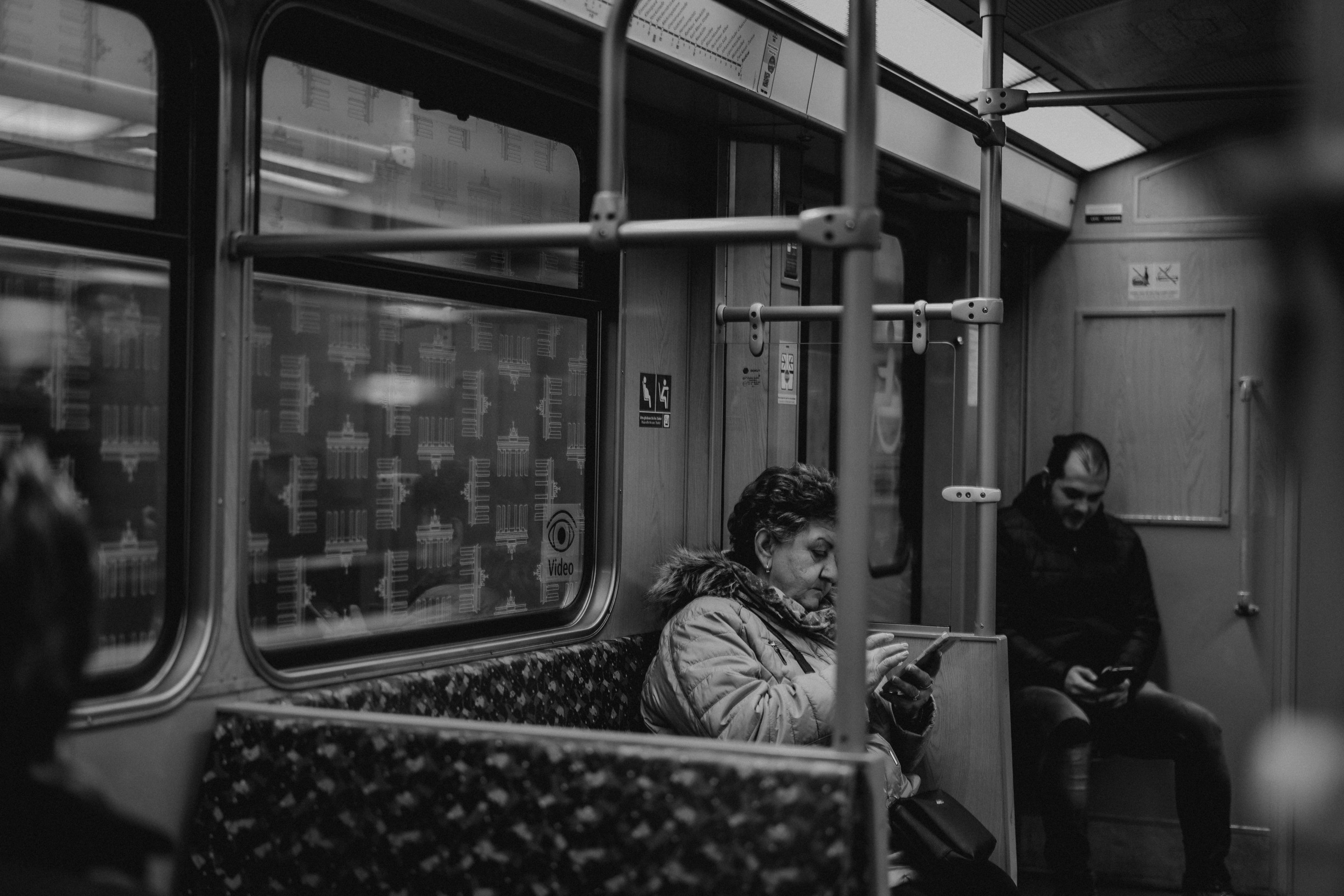
Now I do like to get close, because I want to see the emotion in people’s faces and feel some kind of connection in the photograph. I actually find it more respectful to photograph someone from nearby with a wider lens than to stand far away and secretly photograph them with a long zoom. If I’m close, I’m present in the same space as the person I’m photographing.
What Happens When They Notice
When I see a particular person or scene I want to photograph up close, I’ll usually make eye contact first and gesture with my camera to ask if it’s okay. I don’t want to interrupt the moment by starting a whole conversation up front, because when you do that, the moment is gone. Afterwards, I’ll usually have a little chat, explain what caught my eye, and show them the photograph.
But not every photograph works that way. Sometimes someone walks into a composition I’m already photographing, or I capture a moment before there is time for interaction. Quite often, people will actually apologize for walking through my frame. I’ll tell them, no, you were exactly what I was waiting for. I smile, and they smile back.
I think people can usually sense your intentions, and a little openness and respect go a long way. If they say no, or they get angry, just delete the photo and go on with your day.
The Warmth Under the Noir
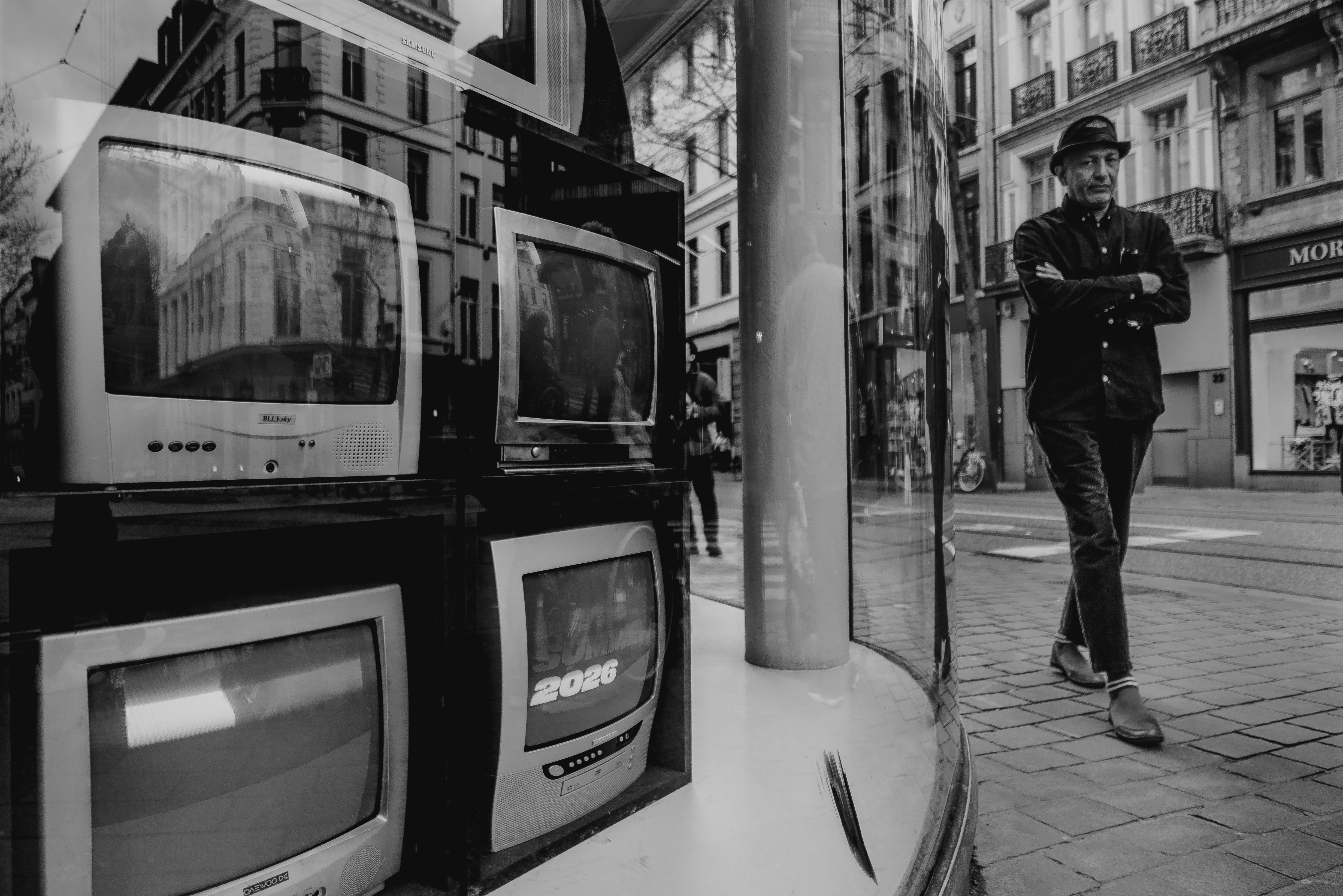
Underneath the noir, there is a lot of warmth. A man on a bench with two enormous poodles. A stack of dead televisions on the pavement. Someone hanging off a basketball hoop, silhouetted against the sun. Those are affectionate pictures, and funny ones. Do you go looking for that in your street photography, or does it turn up in the edit?
I wouldn’t say I deliberately go looking for funny moments. But I’m always looking around to see where the magic is happening or where it might happen.
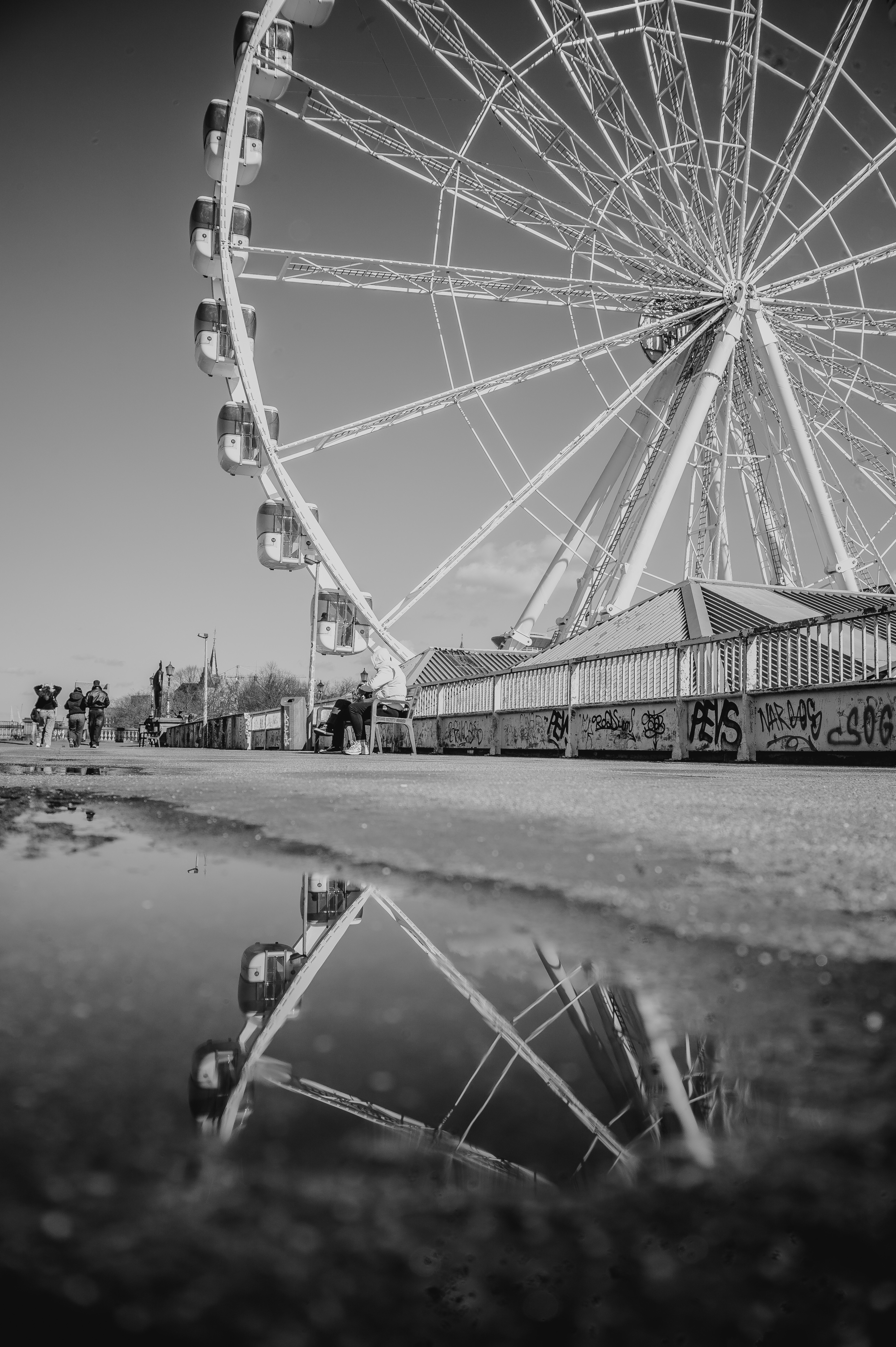
I’m also very drawn to unusual angles and perspectives, simply because I want to find a way of showing something differently.
The Girl Who Looks for the Unusual Little Spots
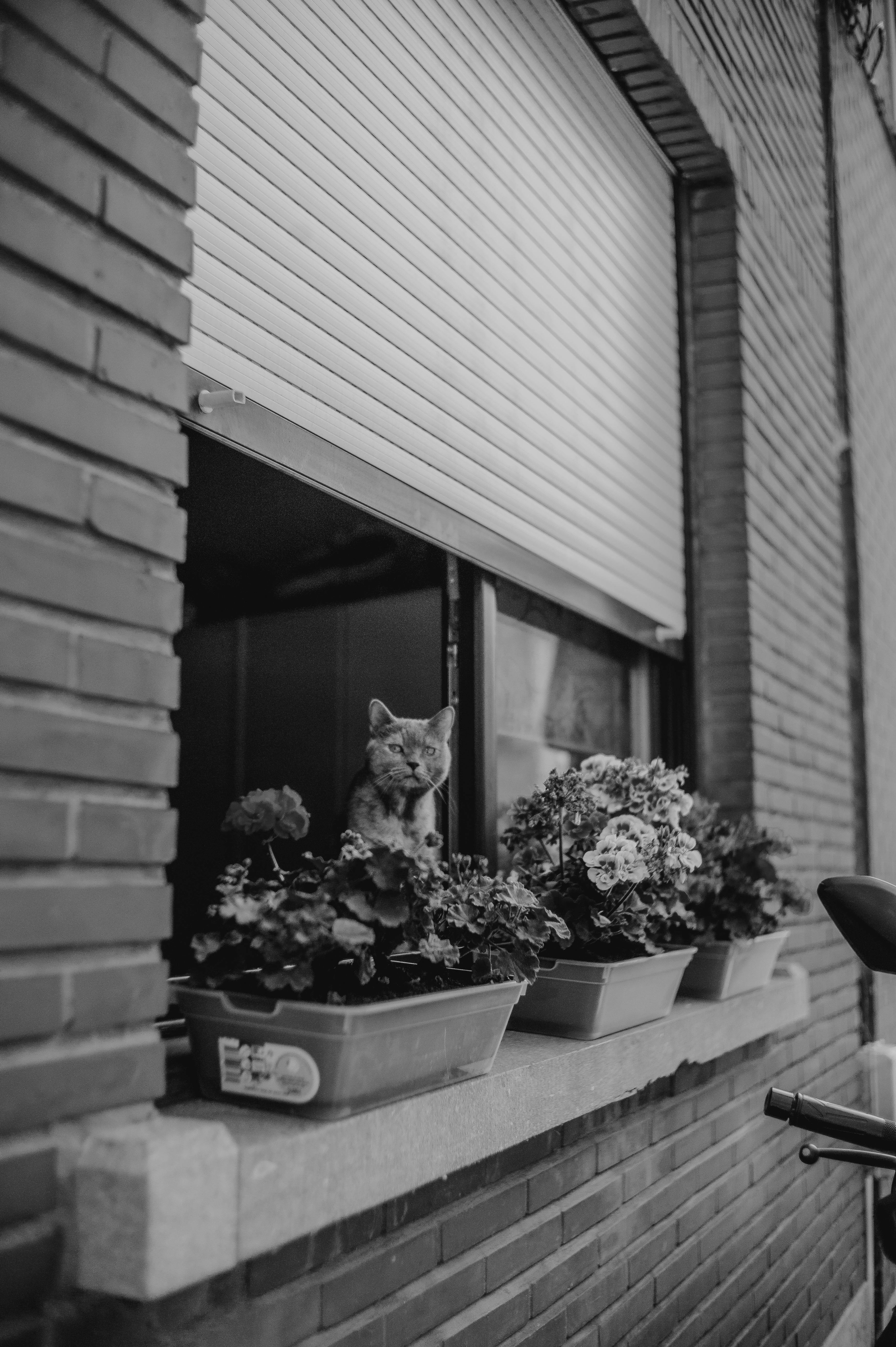
I once attended a workshop with the Belgian fine art photographer Benny Bulke. We were walking around with a group, all photographing the same surroundings, and apparently I was the only one constantly shooting from strange or unexpected angles. At one point he said to me, you really are the girl who looks for the unusual little spots. I definitely took that as a compliment.
I think that describes quite well how I photograph. I’m constantly looking, even when I’m not consciously searching for something specific. Sometimes I notice a funny or unusual scene and simply react to it. I see it, it makes me smile, and I take a photograph. Other times I see the potential for a great image and stay with the scene for longer, trying different angles or compositions until I find what I’m looking for.
So perhaps I do look for those moments, just not consciously. I’ve trained myself to notice the things that are slightly out of place, unexpected, funny, or simply easy to walk past. Even when I don’t have my camera with me, I look for them.
Why She Waited to Share the Work
You joined 500px recently, but this is clearly not the work of a beginner. What were you doing with your street photography before you started posting, and what made you decide to put it in front of an audience now?
I’ve always seen photography as a form of art, and I think making art is incredibly personal. You’re showing people how you see the world, what catches your attention, and in a way, something about who you are underneath it all. For a long time, that made sharing my work quite difficult.
When someone doesn’t like what you’ve created, it can feel like they’re rejecting a small part of you. I think that fear was one of the biggest reasons I kept my photography mostly to myself for so long. It felt safer not to show that side of myself to the outside world.
The Day She Decided to Post Anyway
And then at some point I basically thought, “Fuck it, why not?”
I started putting my work out there. Strangely enough, doing the thing I was most afraid of turned out to be the best thing I could have done for my photography. Sharing my work made me photograph more. It made me look at my own images more critically, learn more, experiment more, and keep pushing myself.
Of course, I realize now that not everyone is going to connect with everything you make. That’s totally fine. That’s part of making something personal.
Somewhere along the way, photography also stopped being something I love doing and became something I genuinely wanted to build my life around. What started as a hobby has now become the career I’m trying to build, and putting my work in front of an audience has been a huge part of that transition.
I think I spent a long time protecting my photographs from other people’s opinions. Eventually I realized that by doing that, I was also keeping them from growing.
A Question From Zak Mogel
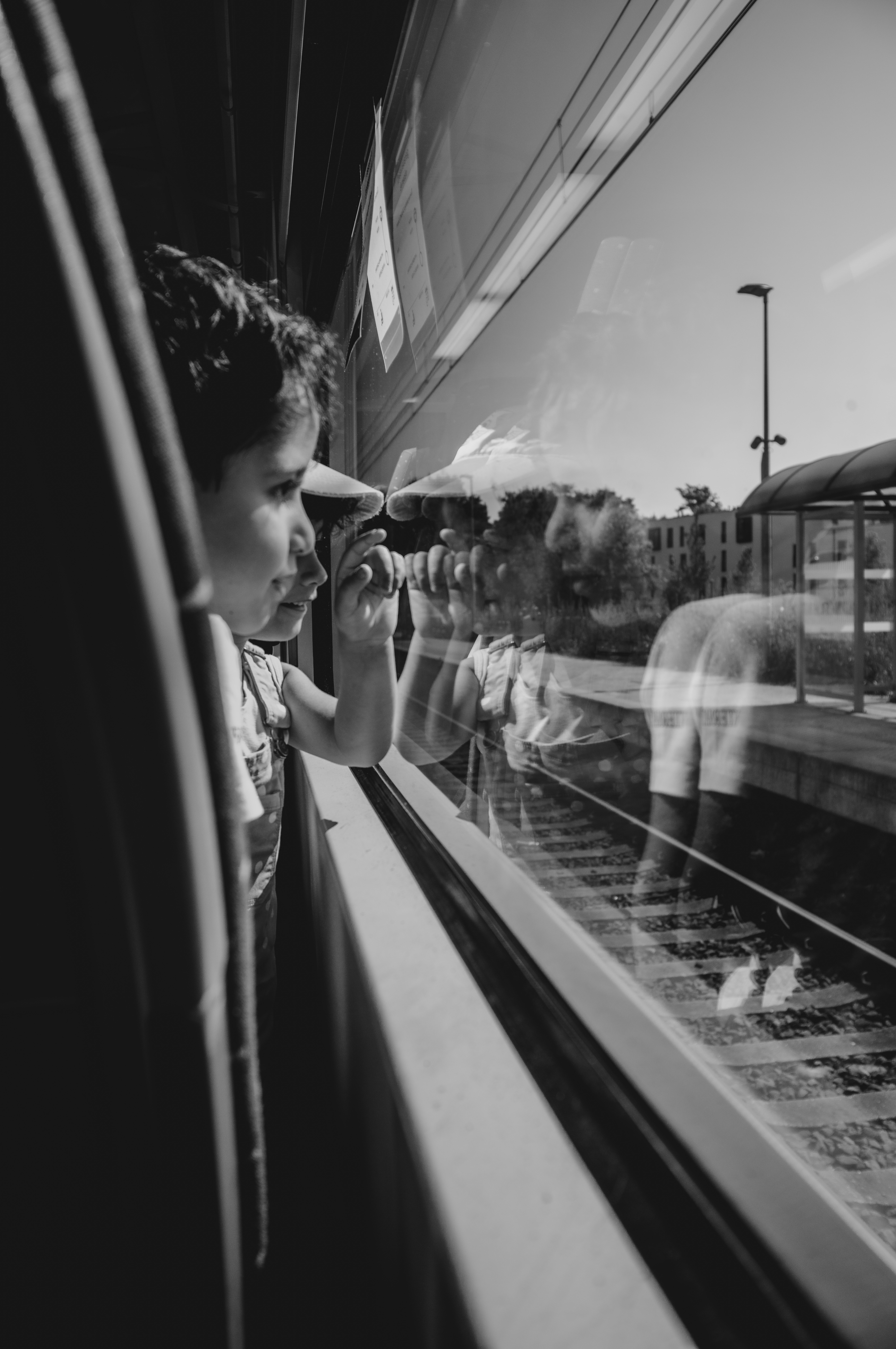
We have a question from a previous featured photographer, Zak Mogel, who asked, “What is the feeling you want people to take away when they look at your photographs?“
I don’t necessarily want to decide what people should feel when they look at my photographs. I actually like the idea that everyone can have their own interpretation of an image.
But if another photographer looks at my work, I would love for it to inspire them to look at things differently. To not always take the obvious photograph, but to move around, try another angle, look behind something, get lower, get closer, or even choose a perspective that initially feels a little strange.
So if someone sees one of my photographs, and the next time they’re out with their camera they think, “Maybe I should look at this differently,” I think that’s one of the best things my work could achieve.
Life Under the Blocks
Eline, thank you for taking the time. To close, is there a project or a series on the horizon that you would like our readers to know about?
A lot, to be honest.
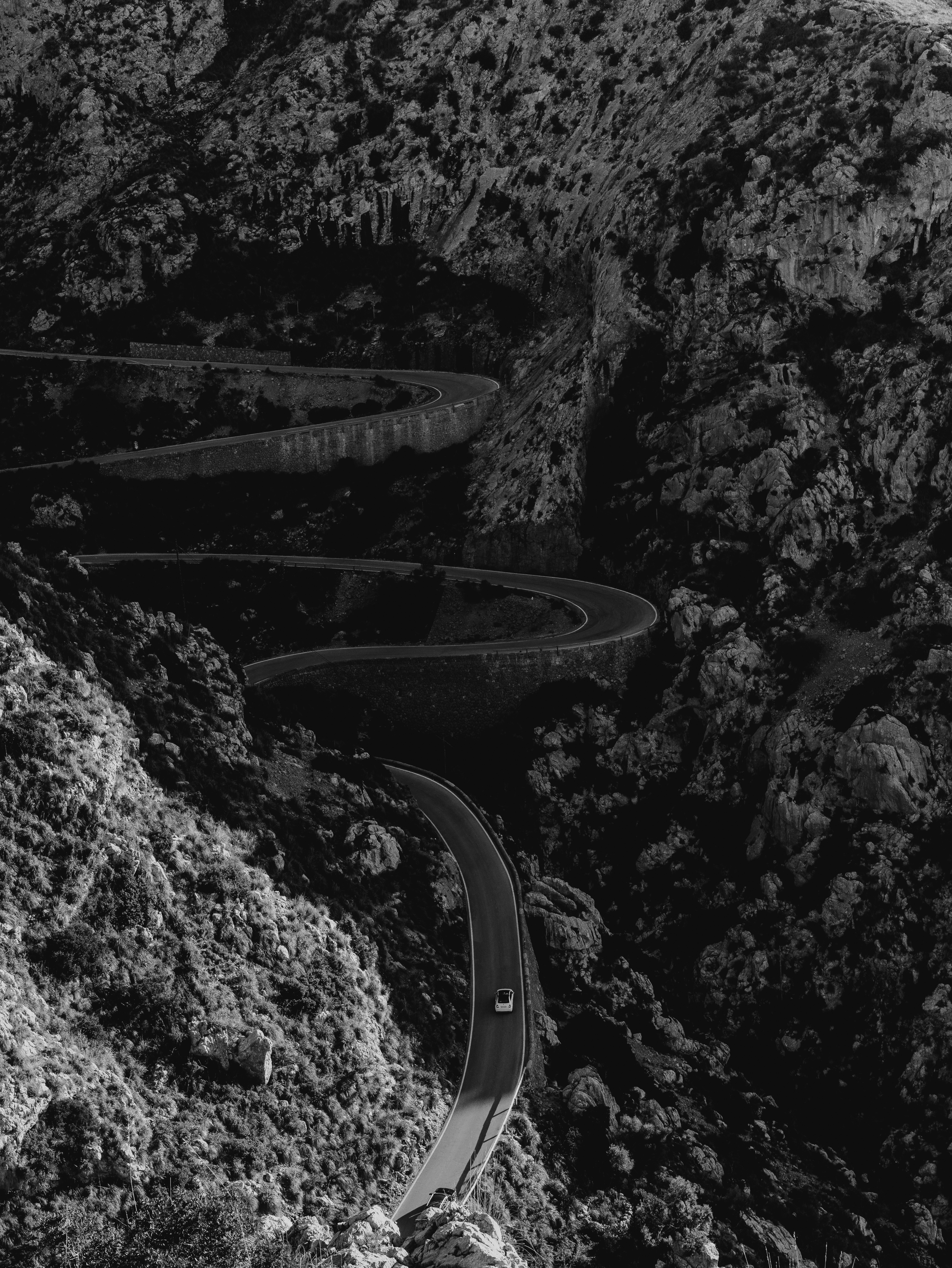
I’ve just finished my first long-term documentary project, called Life Under The Blocks. It was something I really wanted to complete before moving to Spain, because I simply couldn’t let the project go. You can find more about it on my website and Instagram, and I’m now working on turning the project into a book.
And then there’s Spain. I have a lot of ideas for what I want to photograph there, especially longer documentary projects. But I’m deliberately keeping those to myself for now. I’d rather make them happen first and talk about them afterwards.
Building Studio EDX Into Something Bigger
Alongside my personal work as edxsnaps, I’m also developing Studio EDX into something broader. In the future, I’d like it to become more of a creative platform and shop for photographers, where I can offer things like my presets, prints and other photography-related products.
I’ve also recently fallen in love with analog photography, which has opened up another completely different direction I want to explore. Right now I’m still learning and experimenting. Eventually I’d love to take more of that process into my own hands, from developing my own film to making my own darkroom prints. There’s something about being involved in the entire process that really appeals to me, from taking the photograph to creating the final physical print.
So I think the next few years will be about much more than individual photographs. I want to build bodies of work that can become books, exhibitions, and stories. At the same time, I want to explore the craft of photography itself, and build something around it that can keep growing with me.
See More of Eline Deckers’s Work
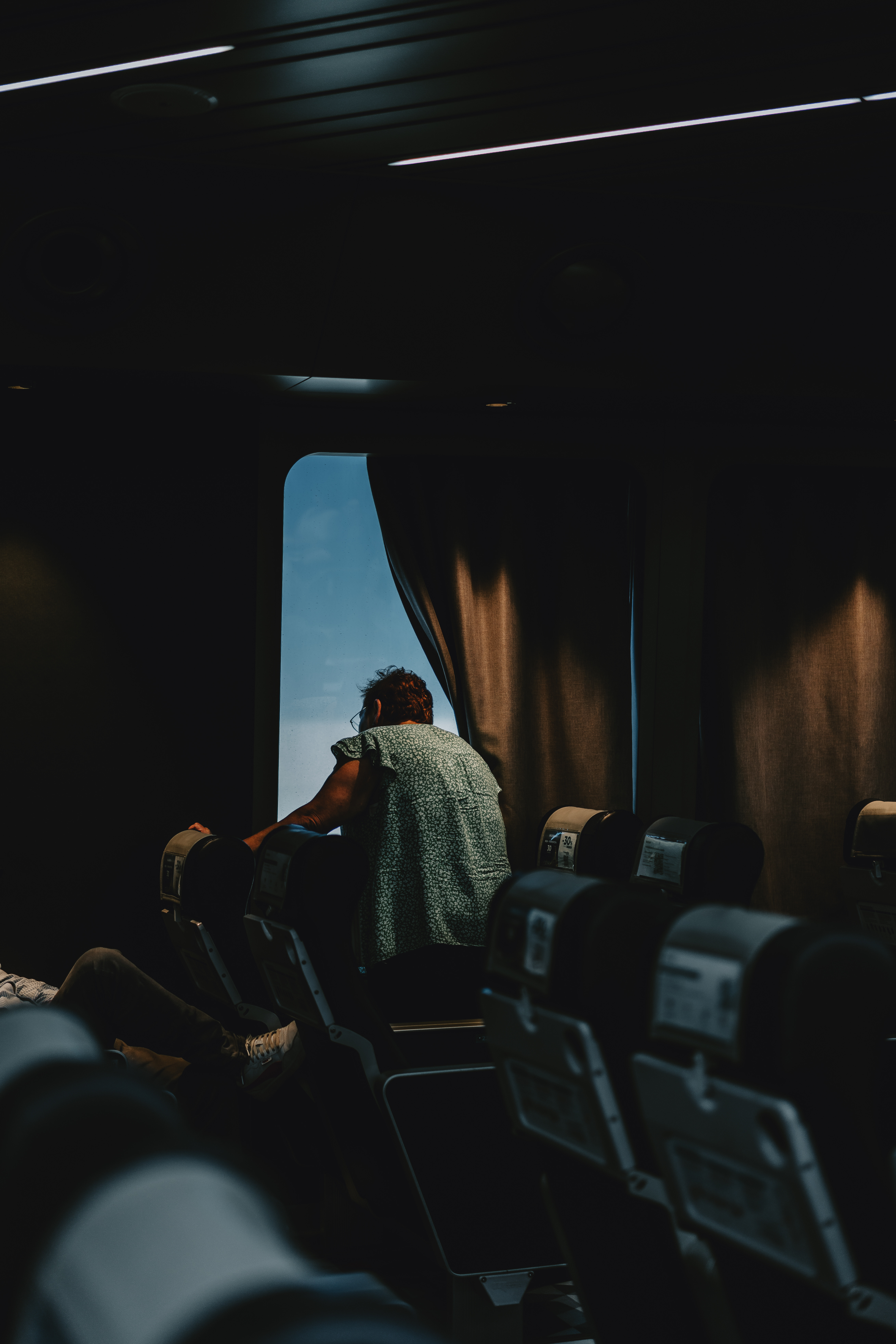
To see more of her black and white street photography, visit her 500px Profile, explore her portfolio at studioedx.com, and follow her on Instagram at @edxsnaps.
The post Eline Deckers: Black and White Street Photography in Antwerp | 500px Photographer Spotlight appeared first on 500px.