DESIGNBOOM X INDX|GLOBAL: ROOM FOR UTOPIAS
Produced in collaboration with INDX|GLOBAL during designboom.paris, designboom presents Room for Utopias, a podcast series that gathers Indian architects and designers who are exploring architecture as a practical method for imagining and testing alternative ways of living. Across eleven conversations filmed in Paris, the series steps away from grand, speculative urban visions to examine grounded propositions embedded in contemporary practice: shifting relationships with natural ecosystems, adaptable living structures, regional material cultures, and altered dynamics between architects, clients, and users.
The first article – A World that Starts with Place – brings together two podcast conversations moderated by Iñaki Laguardia, designboom’s Managing Editor. Both episodes examine an architecture that begins by listening rather than imposing: one expanding how buildings coexist with natural elements, and the other uncovering spatial, cultural, and technological intelligence already present on site.
ARCHITECTURE COEXISTING WITH NATURE AND SENSORY LIVING
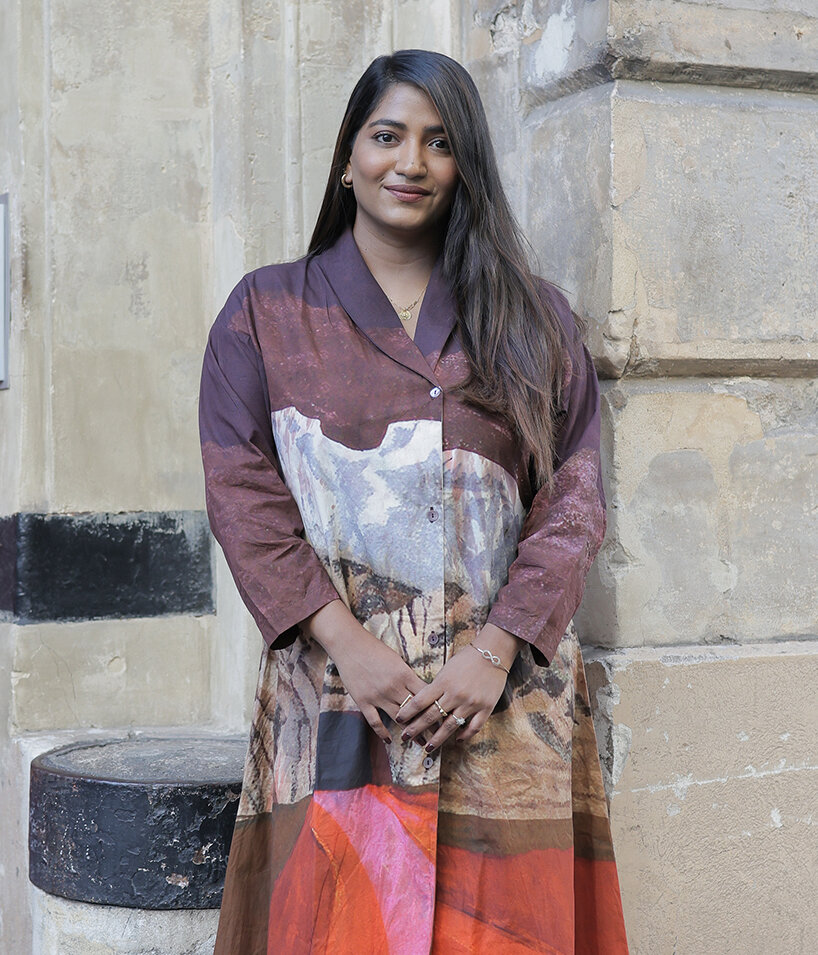
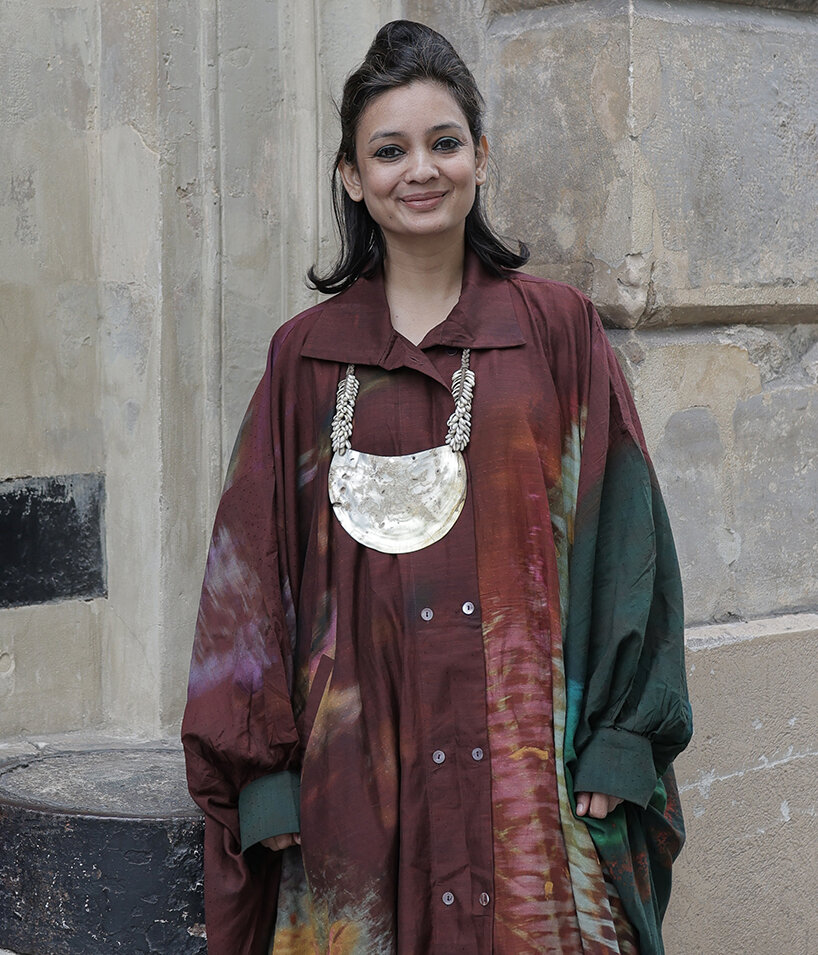
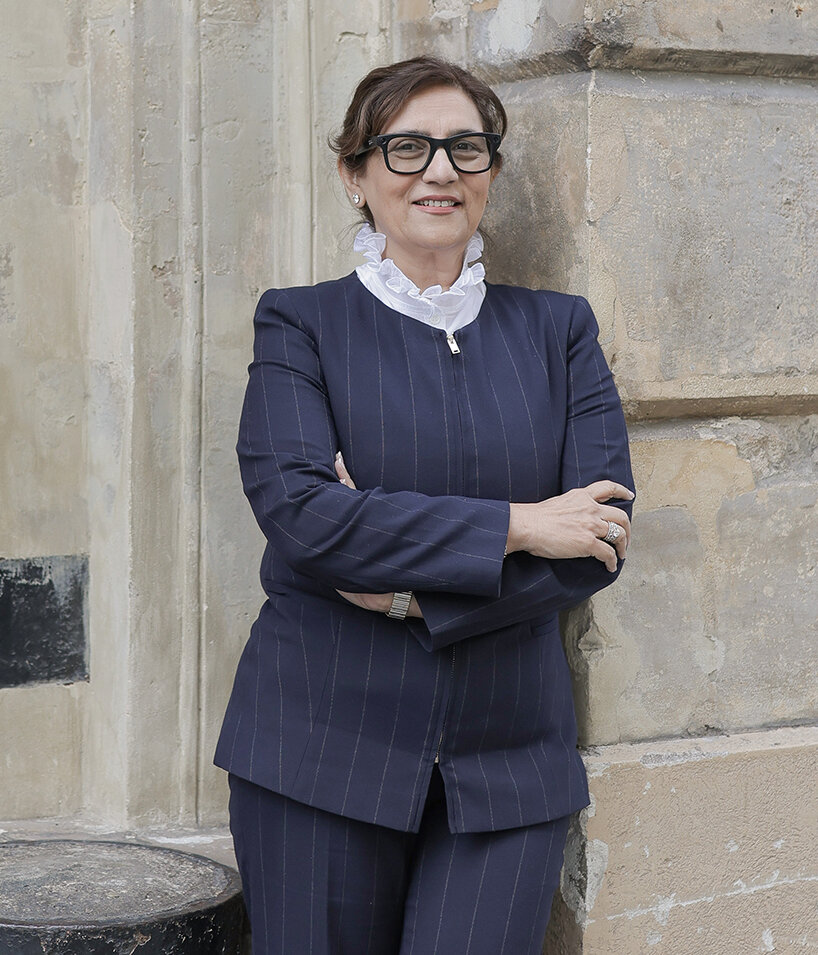
The first episode of the Room for Utopias podcast convenes four practitioners – Anushri Patel of HPAD, Shilpi Sonar of Creations & Urban Saints, Shiny Mariaselvam of Studio Sculpt, and Ridhima Sogani of Ankit Gupta & Ridhima Sogani Architects – to re-evaluate architecture’s relationship with its environment. Rather than treating green elements as decorative infill or post-construction additions, the panel positions natural systems as active participants in spatial design.
Anushri Patel of HPAD addresses how architecture interacts with raw site conditions in regions with high ambient temperatures. Rather than treating green elements as decorative additions, Patel describes using native vegetation as a functional building instrument for indoor microclimate regulation and thermal control. Patel points to an evolving client mindset, noting an increased willingness to preserve existing site topographies – such as building around natural rock formations – rather than clearing ground for maximum built area.
Shilpi Sonar of Creations & Urban Saints positions nature as a baseline that exists prior to construction. Sonar argues against viewing nature as an element added after building completion, asserting that true design begins by understanding site conditions that are already present. To balance built density, Sonar advocates for designing unprogrammed, reflective spaces that allow occupants room to pause. ‘Nature cannot be added second… it’s always prevalent. We have to understand how we take architecture to it,‘ Sonar explains.
Shiny Mariaselvam of Studio Sculpt focuses on how spatial layouts condition daily human habits and routines. Mariaselvam emphasizes the responsibility of architectural projects to engage surrounding production systems and support generational artisans through regional material sourcing rather than importing elements across long supply chains. ‘Give space for the local industries and local people to be able to produce what they’re good at for generations,‘ Mariaselvam states.
Ridhima Sogani of Ankit Gupta & Ridhima Sogani Architects addresses the sensory dimension of architecture, contrasting physiological experience with visual image-making. Drawing on references like Peter Zumthor, Sogani calls on architects to design for tactile climate harmony and daily rhythms rather than purely photographic appeal. ‘When I look at a site, I listen to it. I do not ask what I want to build; I ask what the place wants to become,‘ Sogani shares.
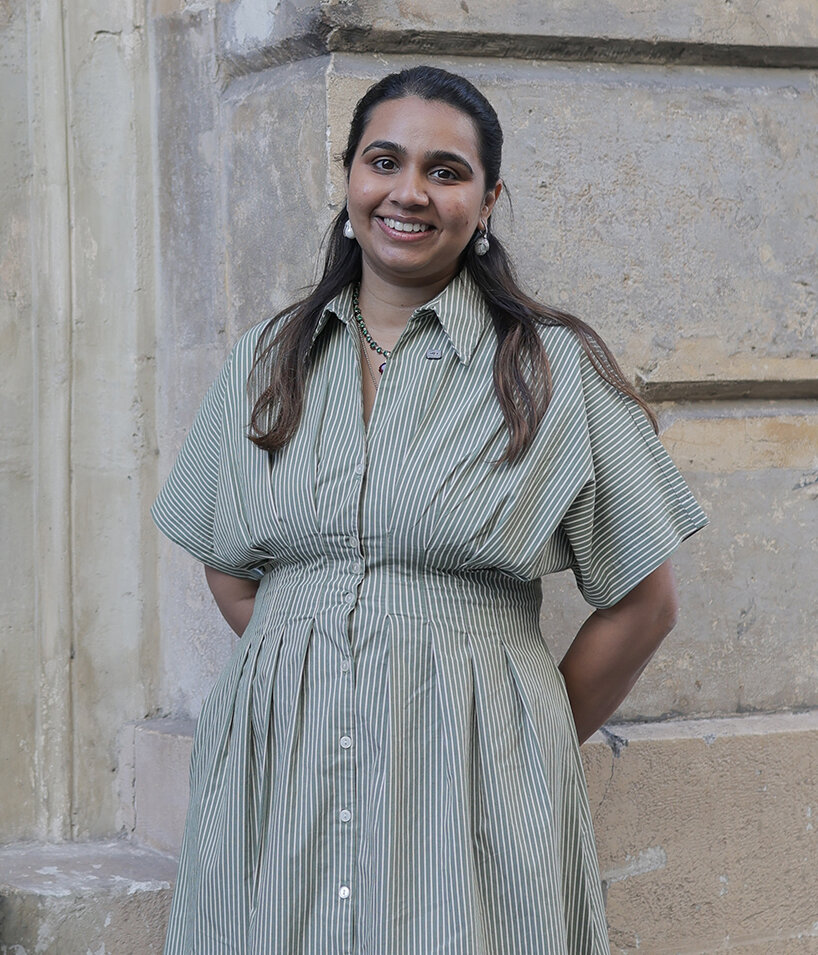
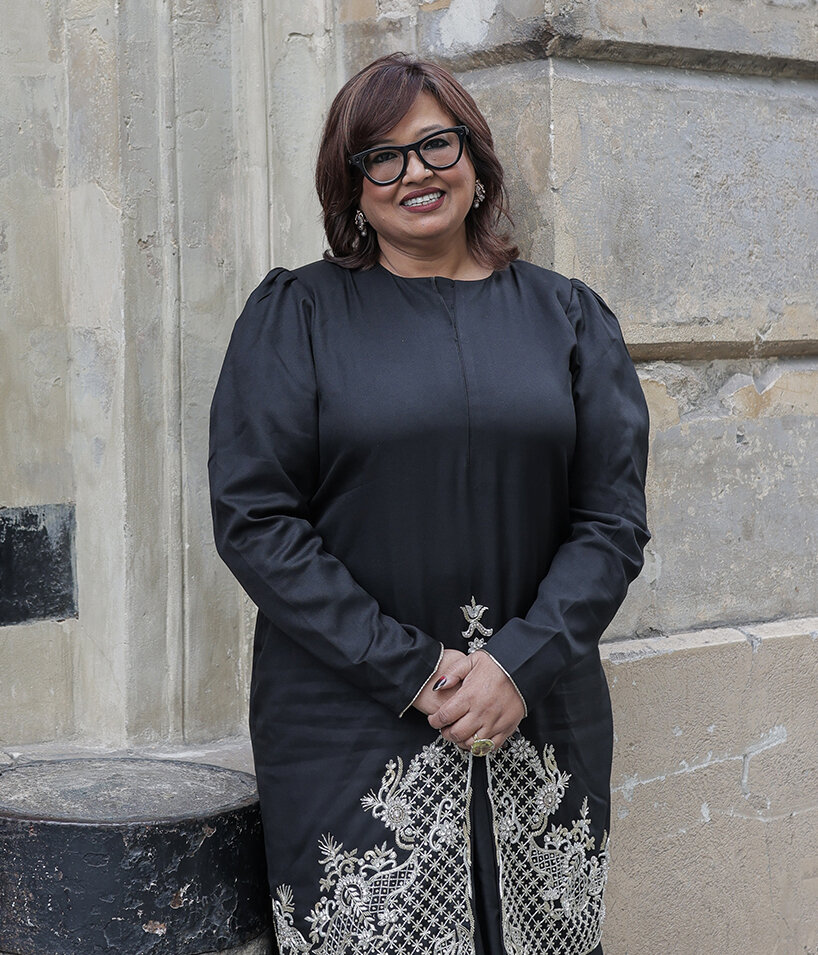
Shilpi Sonar (Creations & Urban Saints)
Shiny Mariaselvam (Studio Sculpt)
Ridhima Sogani (Ankit Gupta & Ridhima Sogani Architects)
READING SITE CONTEXT, HUMAN USERS AND TECHNOLOGICAL INTELLIGENCE
The second conversation expands site reading beyond physical topography. Moderator Iñaki Laguardia sits down with Dinesh Panwar of Urbanscape Architects, Hiren Patel of HPAD, and Monika Choudhary of ZHCollective | Habitat Architects to discuss how existing site conditions, end-user requirements, and emerging digital tools shape architectural decision-making.
Hiren Patel of HPAD frames built intervention as a responsible footprint on the planet’s surface. ‘Will we be able to do something beautiful on the skin of mother planet that it is not a scar on her skin, but a beautiful tattoo?‘ Patel asks. Patel integrates digital testing with physical site visits, using artificial intelligence models to cross-reference design plans against Christopher Alexander’s spatial patterns. Patel’s studio is currently developing ‘HirenBhai’, a personalized AI model trained on his studio’s archive and design methodology.
Monika Choudhary of ZHCollective | Habitat Architects approaches site reading through regional history and collective identity, citing the principle of Ubuntu (‘I am because we are’). In an ongoing Haveli project in Punjab, Choudhary’s practice revives regional construction techniques and traditional Nanakshahi bricks to maintain historical memory in contemporary forms. ‘If we have to build, I would love to go backward and forward—learn from the tradition, but reinterpret it in a way that the nostalgia remains, but the intelligence is carried forward,’ Choudhary says.
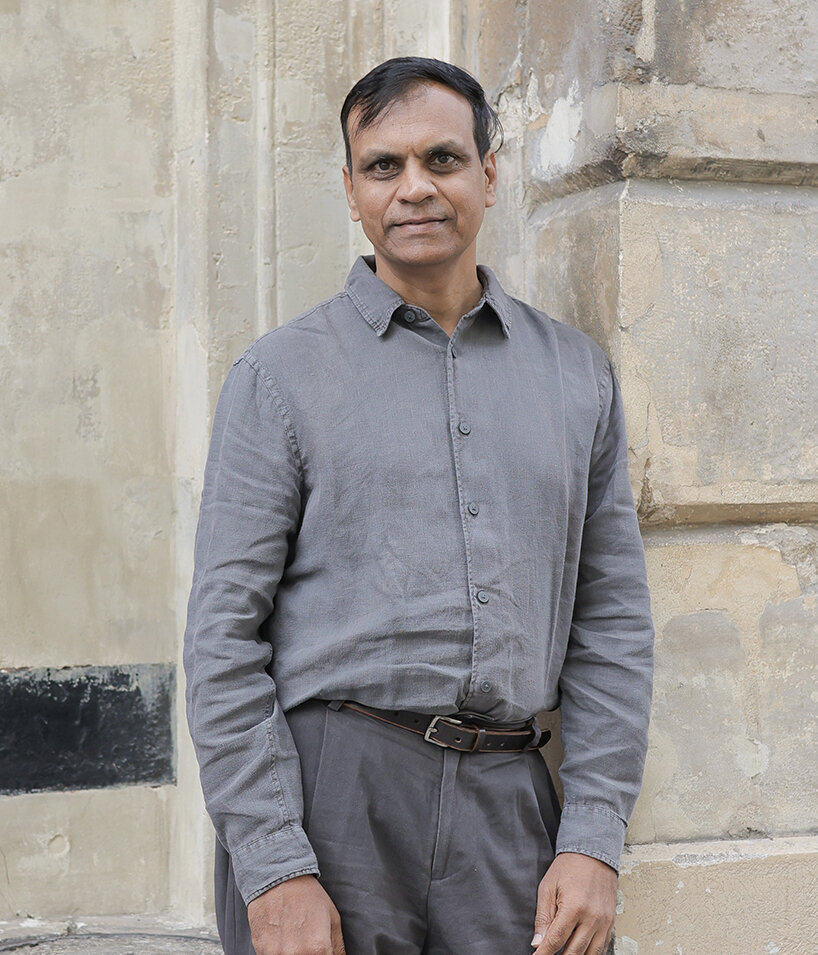
Dinesh Panwar of Urbanscape Architects discusses site integration when surrounding conditions demand spatial restraint. Confronted with designing a project adjacent to a 21-meter (70-foot) structure, Panwar’s studio submerged a 2,787-square-meter (30,000-square-foot) building below ground, using the surrounding earth and planted landscape as the primary context rather than competing visually. Panwar adds that for specialized programs like schools or industrial facilities, the human end-user replaces physical terrain as the primary context shaping spatial decisions.
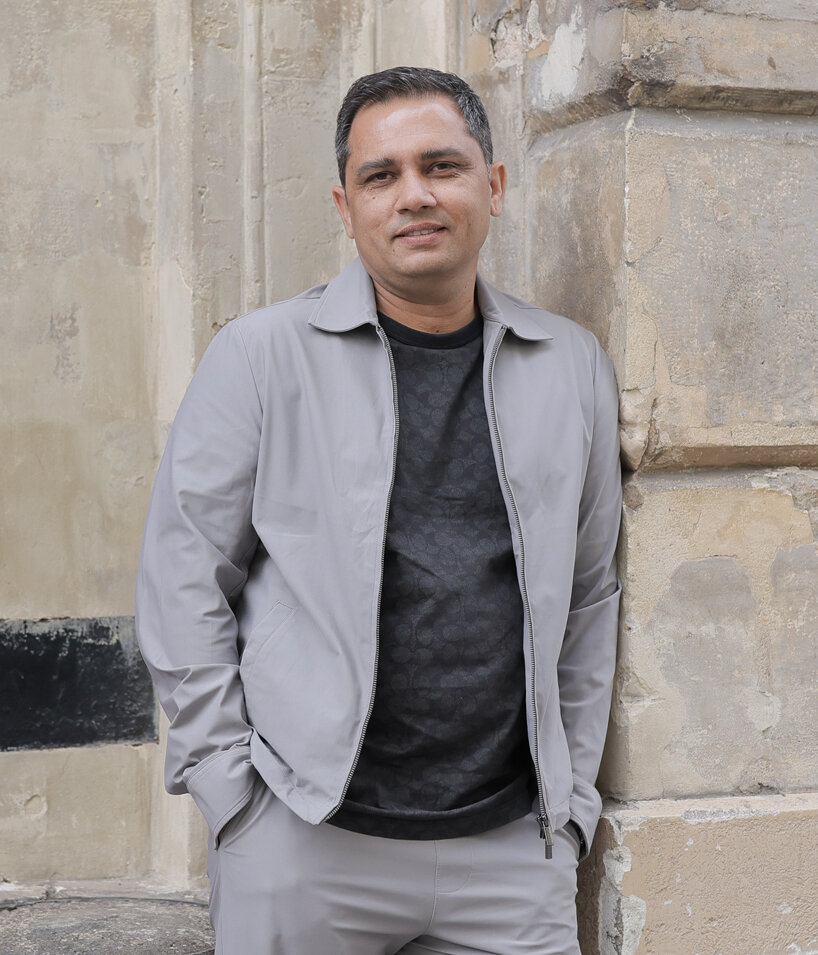
Hiren Patel (HPAD)
Dinesh Panwar (Urbanscape Architects)
SMALL ARCHITECTURAL PROPOSITIONS FOR ALTERNATIVE FUTURES
Through microclimate planting, local artisan networks, subterranean layouts, heritage masonry, and AI pattern testing, both conversations outline an architecture rooted in careful site observation. These projects suggest that alternative futures emerge not from top-down urban schemes, but from precise, quiet adjustments in how architects listen to physical terrain, regional culture, and human behavior before construction begins.
project info:
podcast: Room For Utopias
episodes: 01 and 02
theme: A World that Starts with Place
host: Iñaki Laguardia
guests: Anushri Patel (HPAD | @hpad.india), Shilpi Sonar (Creations & Urban Saints | @creationsbyshilpisonar), Shiny Mariaselvam (Studio Sculpt | @studiosculpt.interior), Ridhima Sogani (Ankit Gupta & Ridhima Sogani Architects | @ankitguptaarchitects and @ridhima.sogani), Dinesh Panwar (Urbanscape Architects | @urbanscape_architects), Hiren Patel (HPAD | @hpad.india), and Monika Choudhary (ZHCollective | Habitat Architects | @zafar.habitat_zhcollective)
collaborator: INDX|GLOBAL | @indx.global
in partnership with: AMICI | @amici_india; MARMO SOLUTIONS | @marmosolutionsindia; AGGLOTECH | @agglotech
The post podcast: architecture that listens through nature and site intelligence appeared first on designboom | architecture & design magazine.