For the past three years, Who What Wear has published an annual report, Fashion’s New Guard, highlighting a curated edit of the newest and coolest brands from across the globe. As editors, it’s our way of showing that we discover these brands before they become widely known. But truthfully, the discovery isn’t just about claiming we identified them first. It’s about giving talented designers the recognition and visibility they deserve.
Behind every emerging brand is an enormous amount of work—long hours, creative leaps, sacrifices, a small but mighty team, and a constant belief in an idea before anyone else sees it. These designers are building something from the ground up, often without the reach or resources of fashion’s biggest names. So if we can use our platform to move the needle for new labels, we can pat ourselves on the back and walk away from our computers with big smiles.
Rather than simply focusing our attention on who will be the next big thing, we’re celebrating eight talented names in hopes that the businesses feel recognized. We hope that at least one person reading this learns something new, that the stories behind the brands resonate, and that a piece from one of the labels is added to their rotation.
These designers hail from different parts of the world, including Toronto, Caracas, Mexico City, and Paris, each offering a unique perspective and signature style. Some were founded within the last seven years; others in the past one to two years. But all of them are worth knowing. Keep scrolling to meet the latest additions to fashion’s new guard.
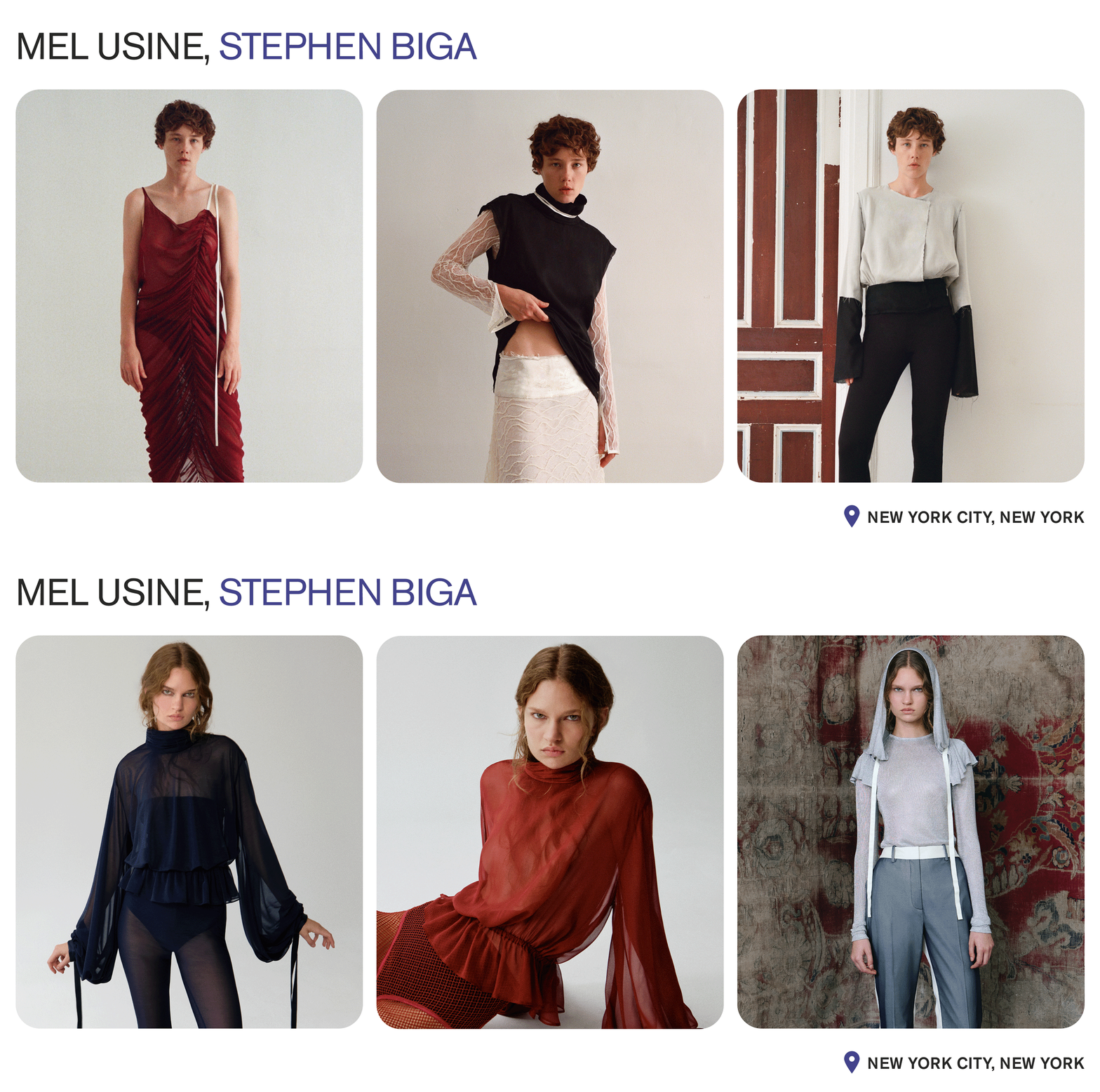
Mel Usine has quickly become one of the most beloved labels among editors at New York Fashion Week after debuting with its S/S 25 collection. Since then, it’s been seen on celebrities, including Gracie Abrams, who wore the brand’s Veronique chain-mail knit gown in her cover shoot for Vogue’s summer issue.
The buzzy label was founded by Stephen Biga, a Parsons School of Design fashion design alum who previously worked at Proenza Schouler and Rodarte before launching his own line. “It happened by accident. Starting my own brand was never really part of my fashion dream, so to speak. Then one day at the Met, I came across a bronze sculpture by Colonna of a poised siren wearing a crown. That sent me down a rabbit hole researching the origins of the siren archetype. Eventually, I stumbled upon the medieval French legend of Mélusine by Jean d’Arras,” he explains. “In short, Mélusine was a river nymph who seduced a French nobleman on the condition that he never see her on Saturdays, when she would bathe and return to her true form. He broke that promise, and as a result, she transformed into a dragon and left him.”
Back in high school, the designer would commute into the city on Saturdays to take classes at the Fashion Institute of Technology. “It was there—experiencing the knowledge of the professors, witnessing the passion of my peers, exploring the FIT museum archives, and seeing the garment center firsthand—that I realized fashion is an entire world. In the suburbs, fashion is often dismissed as a vapid hobby, but here, I saw that it was much more serious than I had imagined. That was when I decided to become a designer: when I realized fashion is real and exists because of the artistry behind it and the world that surrounds it,” he reflects. Biga’s refined artistry is felt throughout his collections, creating a deeper sense of world-building across pieces inspired by historical dressing.
If he could give one piece of advice to someone starting a brand in fashion today, he says, “Plan, plan, plan. Understand your world and what you’re trying to say before thinking about how it translates to the market. If it already exists, pivot. Stay true to yourself, but constantly evaluate your work by asking two questions: 1. Is this really what I’m trying to communicate? 2. Does it have a reason to exist?“
How would you describe the Mel Usine world?
The Mel Usine world is romantic but mysterious. It is feminine but not fragile. It is historical yet modern. It is poetic and mythical, but when you dissect the wardrobe proposal, it is grounded in reality. Most importantly, the Mel Usine world is about fantasy and escapism while still maintaining strength and certainty.
How does NYC inspire you and your designs?
I am constantly inspired by New York. More than anything, I’m inspired by how people style themselves on the subway and on the street. Sometimes, seemingly ordinary people completely wow me, and I secretly take photos so I can remember to show our stylist later. I love taking tear sheets from real life and adapting them into a more opulent proposal. It’s a kind of reference you can’t find online, and because of that, it feels authentic.
Where do you go in your city when inspiration runs dry?
Anthology Film Archives in the East Village. It is the headquarters of avant-garde cinema, founded in the 1970s by a collective led by Stan Brakhage and Jonas Mekas. It is such a rich source of unconventional inspiration that I leave inspired every time I go there for a screening.
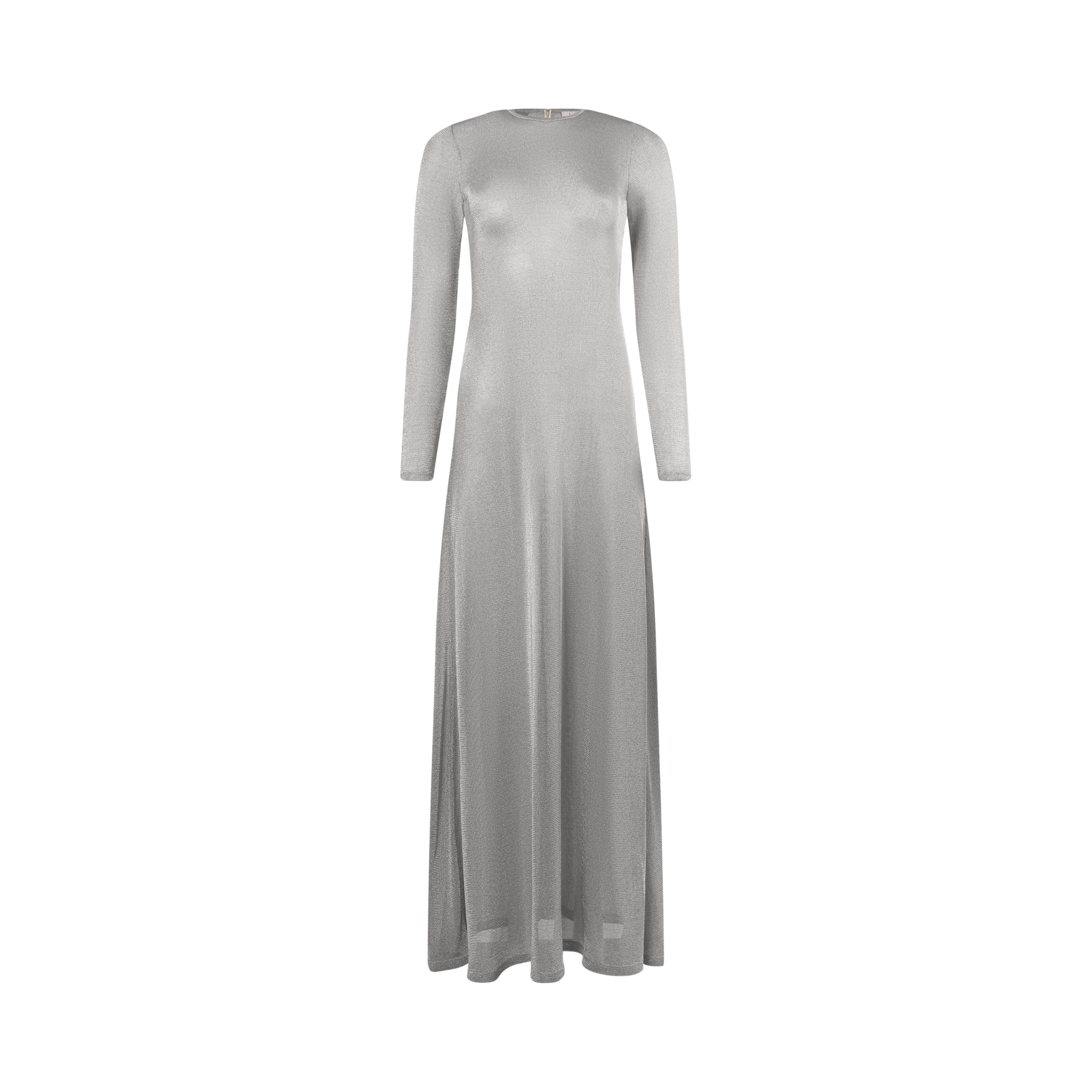
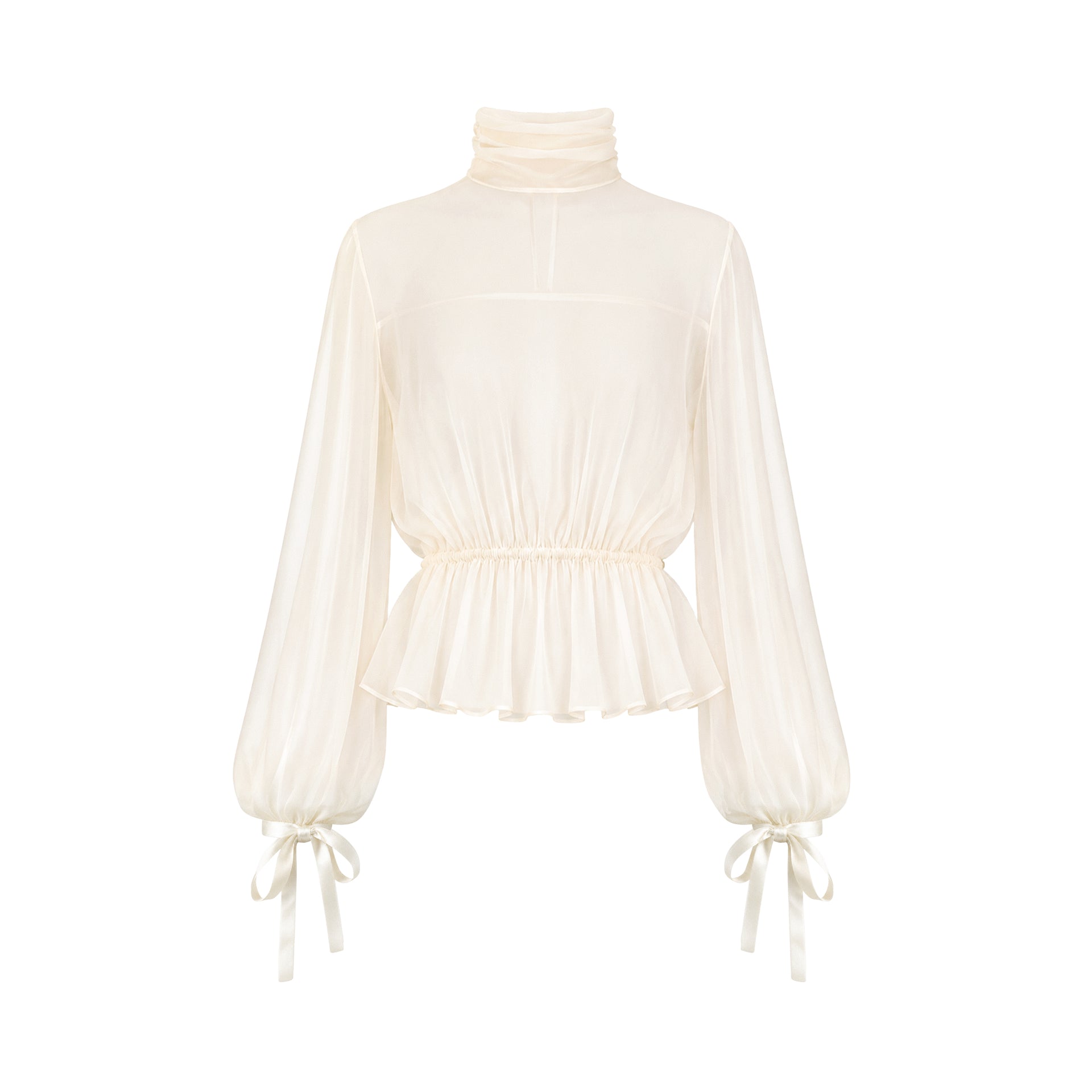
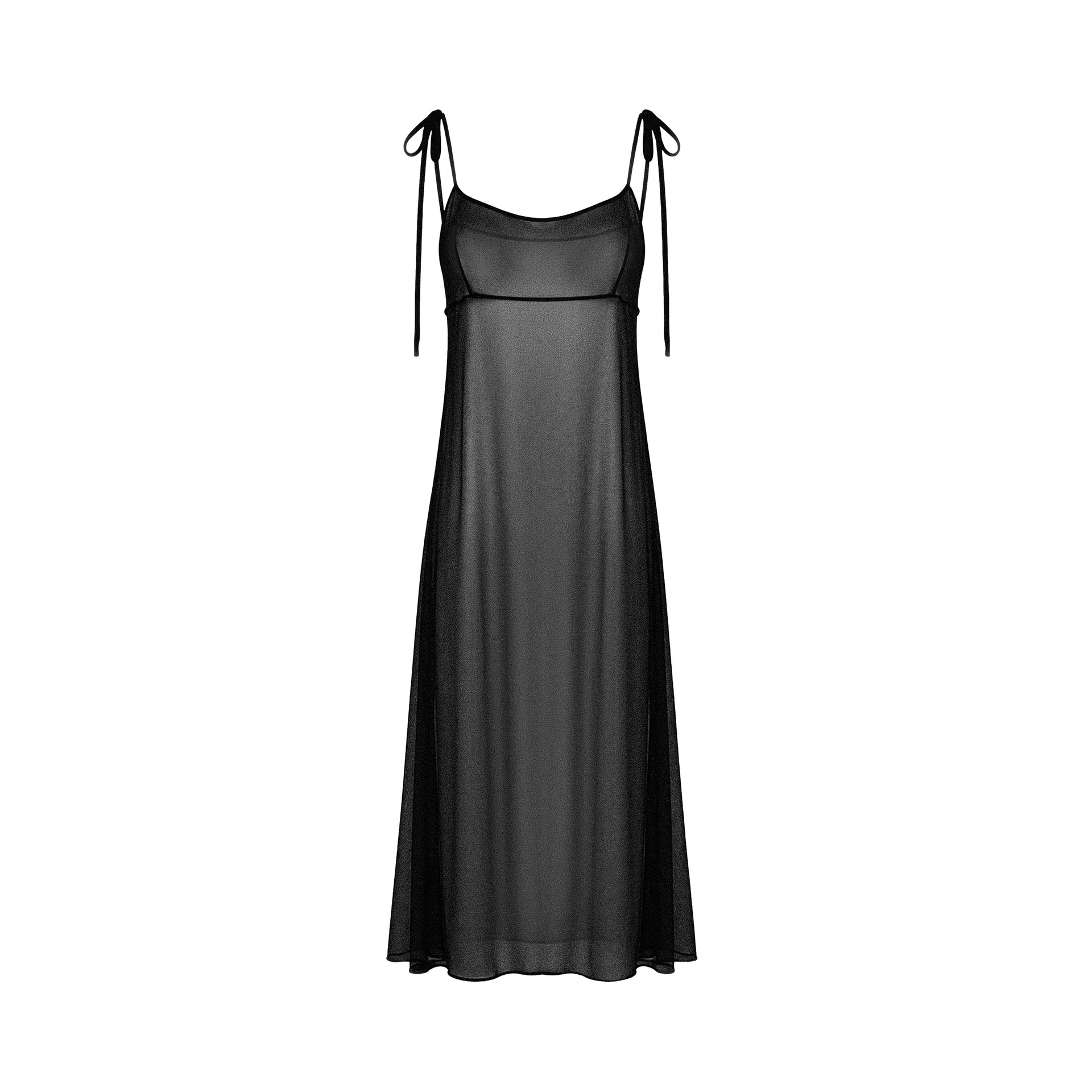
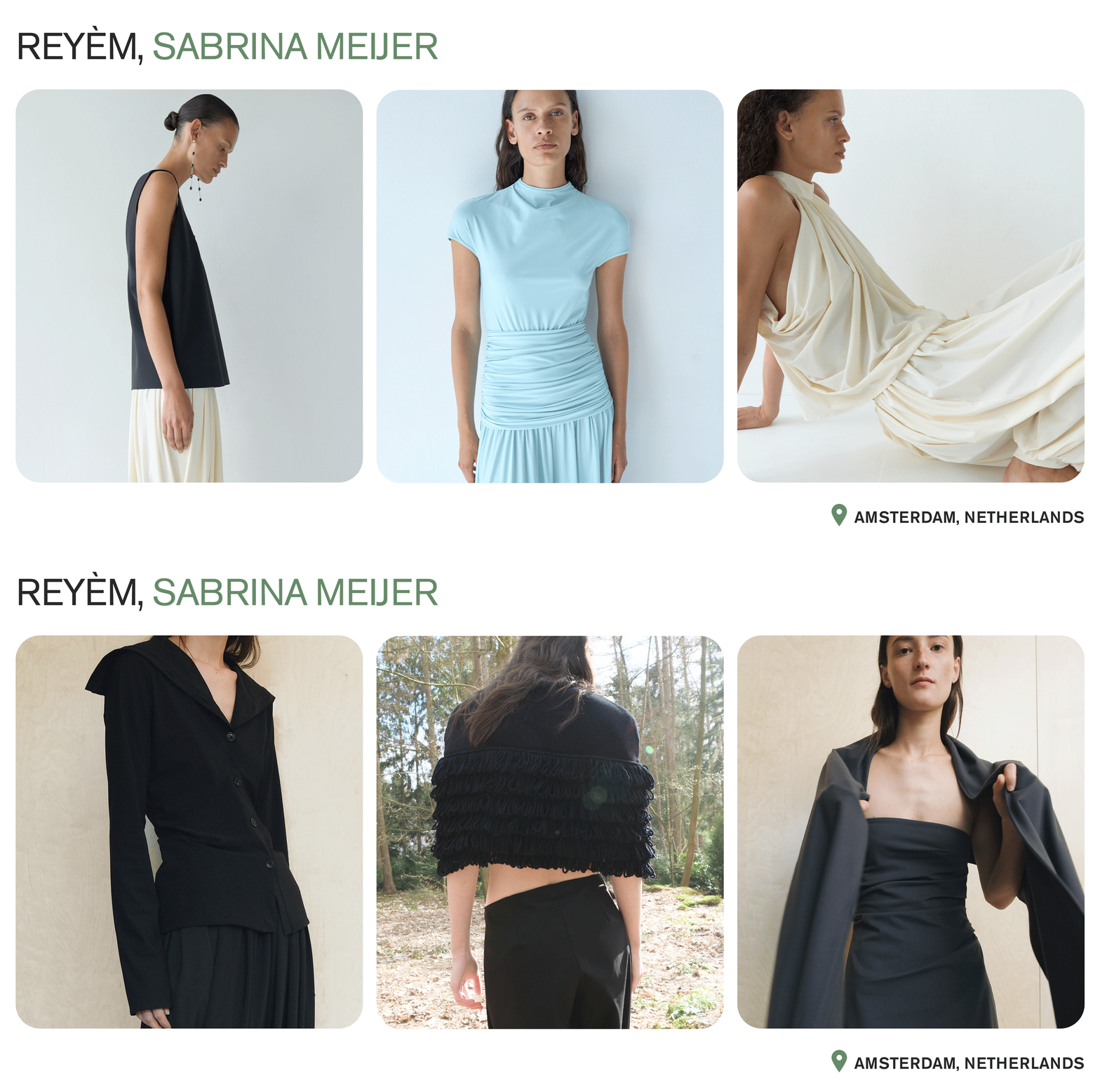
Since Sabrina Meijer was little, she’s wanted to start her own brand, and in 2019, she did just that—launching Reyèm out of Amsterdam. “I genuinely felt there was a gap for women who wanted to feel put-together without compromising on comfort. So much of what was out there felt like you had to choose one or the other. You either dressed for comfort, or you dressed to look pulled-together. I wanted to build something that didn’t ask you to pick a side. From the beginning, the idea was to build a wardrobe around a handful of pieces you reach for without thinking, pieces that make you feel like the best version of yourself. Effortless chicness is the through line,” she says. Think wardrobe staples reminiscent of ’90s minimalism: kick-flare pants, mock-neck tops, strapless bandeau tops, straight midi skirts, and strapless A-line dresses. To refine her vision, she often works with Charon Cooijmans—curator, fashion consultant, and founder of The Ceiling—as a brand consultant.
Collections are built around one signature material: Italian recycled stretch jersey that is Oeko-Tex certified. According to Reyèm’s website, “While not biodegradable, its fibres are recyclable and valued for their durability, ease of care, and longevity—qualities that define Reyèm pieces. Originally designed for sports and swimwear, the fabric offers natural technical benefits. It is lightweight, breathable, and quick-drying, with a smooth matte finish that resists pilling and creasing. It retains its shape, stays wrinkle-free, and includes UV protection to help prevent colour fading over time.”
“Every season splits into three tiers: core pieces that anchor the wardrobe, hero pieces that carry the seasonal story, and a smaller capsule that lets us take more risks,” she explains. This season, she’s added knitwear as well, and production is kept close by. Jersey pieces are split between the Netherlands and Portugal, while knitwear is made at a family-run mill in Italy. “Keeping manufacturing in Europe means shorter lead times, tighter quality control, and real relationships with the people actually making the clothes, which matters a lot to me,” she adds.
Although having a fashion brand is considered a highly creative pursuit, Meijer’s best advice is quite practical: “Do you love numbers? That’s genuinely the first question I ask anyone who tells me they want to start a brand one day. Creativity and a strong idea are essential, of course, but if you don’t get your numbers right, you don’t have a business. You have an expensive hobby.” When she’s not designing, she’s obsessing over spreadsheets and analytics. “It’s the thing I spend the most time on, and I’d tell anyone starting out to do the same from day one,” she continues. “Build your model for where you want to go, not just where you are. If wholesale is part of your plan, for instance, and it’s not baked into your margins from the start, you’ll never be able to make the switch when the opportunity comes.”
How would you describe the Reyèm world?
The Reyèm world sits in a very specific lane, somewhere between effortless and elevated without tipping fully into either. I think of it as ease-led elevation: refined, considered pieces that never feel fussy or overworked. It’s a wardrobe for someone who wants to look put-together without looking like they tried too hard.
How does Amsterdam inspire you and your designs?
It’s a city that demands versatility. Between cycling everywhere and genuinely having four distinct seasons, clothes here have to work hard. They need to move with you and adapt to the weather while still looking considered. There’s also this sense of ease here. People aren’t too fussy about getting dressed, let alone dressing up. That practicality-meets-polish is baked into how I think and how we design.
Where do you go in your city when inspiration runs dry?
I love a full-on thinking-mode walk through Vondelpark with my dog. It’s not that the park itself is directly inspiring. Most people there are working out or unwinding. But walking, as religiously taught by my husband, has been my way to clear my head, and more often than not, that’s when the new ideas actually show up.
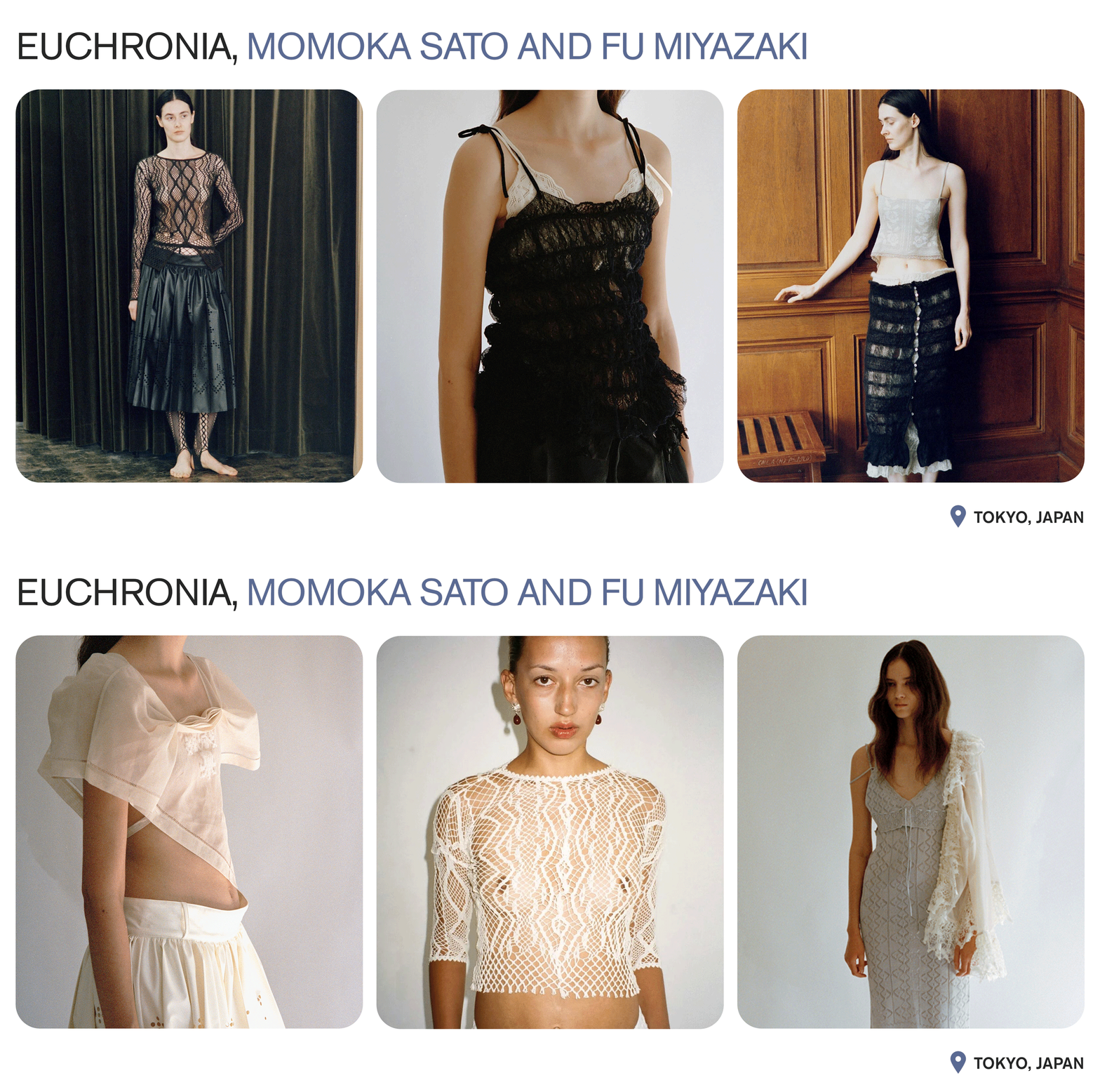
As a child, Momoka Sato—cofounder of Euchronia, an artisanal Japanese fashion brand and lace collective—learned about the world through her hands by touching, building, taking things apart, and putting them back together. That instinct to explore eventually became a fascination with textiles and ultimately the foundation for her fashion career.
At just 10 years old, Sato entered a quilting competition at her mother’s encouragement. “It was the first time I had transformed an idea in my imagination into something tangible by sewing pieces of fabric together,” Sato tells Who What Wear. It was a defining moment, and she won an award for her design. “That experience made me realize that creating with textiles was what I wanted to do for the rest of my life,” she says. She went on to study fashion design, an education that would eventually lead her to her cofounder, Fu Miyazaki.
Launched in 2023, Euchronia is rooted in a fascination with lace and the histories, techniques, and cultural traditions woven into it. “About five years before launching Euchronia, I began studying bobbin lace,” Sato says. “I discovered that different countries—and even different villages—developed their own unique lace-making traditions, and that the role of lace has changed throughout history depending on the time and place.” The more she learned, the more fascinated she became. Reinterpreting lace through a modern poetic lens, the brand reimagines everything from lace skirts and tops to dresses and tights.
To bring her vision to life, Sato collaborates closely with specialized artisans and manufacturers across Japan, utilizing techniques such as torchon lace, Leavers lace, and knitted lace to create original textiles. Her creative vocabulary is also shaped by the German choreographer Pina Bausch, whose work balances fragility, emotion, and strength—qualities Sato aims to express through Euchronia’s collections.
How would you describe the Euchronia world?
If I had to describe the world of Euchronia in three words, they would be “innocent,” “sensual,” and “modern.” The concept of the brand is “memory x lace.” Throughout history, lace has often appeared during life’s most memorable moments—from ceremonies and celebrations to places of prayer. For me, lace is more than decoration; it is a material that carries memory. Through Euchronia, I explore themes such as precious memories, the delicacy of lace, the fragility of human emotion, moments of prayer, and the Japanese aesthetic of wabi-sabi. Together, these elements create a poetic yet modern world.
How does Japan inspire you and your designs?
One of the biggest influences on my work is the Japanese philosophy of wabi-sabi—the appreciation of imperfection, aging, and quiet beauty. It also values the importance of negative space and restraint. Because lace has such a long history, it can easily feel overly decorative or nostalgic. When designing each silhouette, I constantly ask myself whether I can remove rather than add. The idea of wabi-sabi helps me create garments that feel balanced, leaving space for the wearer rather than overwhelming them. I strive to make lace feel lighter, quieter, and more contemporary.
Where do you go in your city when inspiration runs dry?
Whenever I feel creatively stuck, I visit the library at my former university and one of my favorite vintage shops in Daikanyama, Tokyo. The library is full of books on subjects far beyond fashion. Even when I don’t know exactly what I’m looking for, browsing through images, art books, and unexpected topics naturally sparks new ideas and helps me imagine new worlds. The vintage shop feels almost like a museum. It specializes in beautifully preserved European vintage clothing, including antique lace. Simply observing the garments is inspiring, but I also like buying pieces, bringing them back to my studio, and carefully taking them apart to study their construction and patternmaking. Looking inside these garments often reveals techniques and ideas that inspire my own designs.
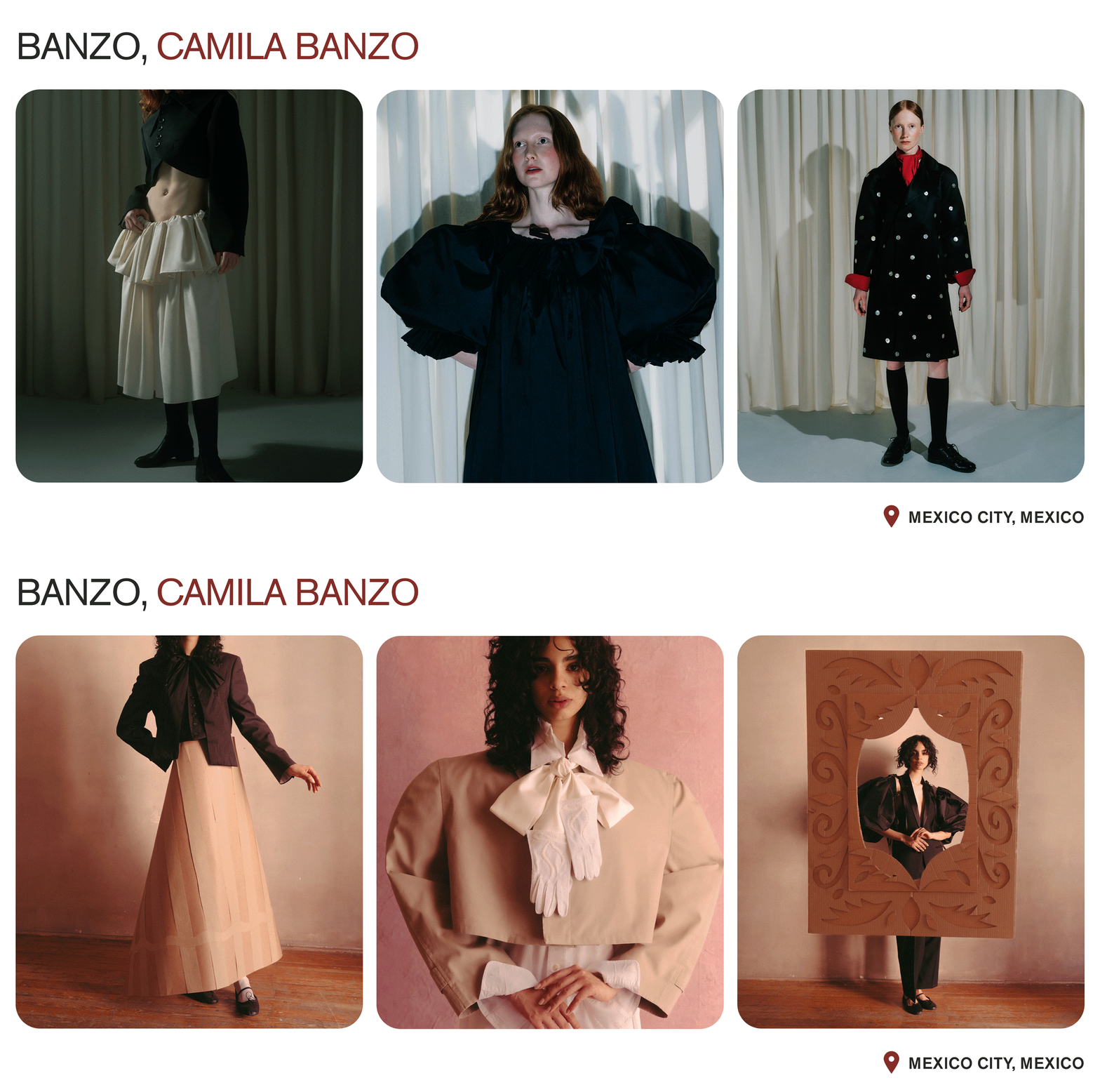
In 2021, Camila Banzo launched her namesake brand from Mexico City after “deconstructing and upcycling preexisting garments from her vintage shop, La Vintaje,” according to the label’s website. “I have always loved clothes and sewing—the construction of clothes, deciphering the pieces of the pattern like a puzzle. I got my first sewing machine when I was 12. Since that moment, I knew I wanted to make garments. I was also always very crafty, so it was the perfect medium to express myself. As I grew up, I fell in love with design,” she shares. It was this passion that ultimately led her to pursue a Bachelor of Arts in fashion design in Milan.
After graduation, she wanted a break from sewing following her labor-intensive thesis collection. “I came back to Mexico City and focused my attention on another passion: vintage clothes. I founded my vintage store, La Vintaje,” she says. “I enjoyed sourcing garments and finding treasures until one day I wanted to get back to sewing, to create my fashion line. It became overwhelming thinking about everything required to start a brand: the supply chain, the manufacturers, and designing a first collection. But I looked around and realized I already had a lot of materials—the vintage clothes. This was perfect, as I had considered not pursuing fashion due to its unsustainable aspects.”
In the midst of the pandemic, she was alone in her shop all day and started transforming these garments with her sewing machine. Now, the first pieces she made are Banzo‘s best sellers: the Apron Blazer and the Gorget Shirt. (Some of our other favorite items include a taffeta tunic and matching pants, a Victorian era–inspired fitted jacket with mother-of-pearl buttons, and a silk chiffon dress.)
Having been in the fashion world for quite some time now, her best advice is to “do something true to yourself. If you fixate on trends and the fast pace of the industry, you may end up hating it, and it will probably become unsustainable.”
How would you describe the Banzo world?
It’s a world fueled by curiosity and imagination. I am building the Banzo world with all the things I love and I want to share. It embodies a nostalgia for a time, a feeling, or a place that we can’t return to because it no longer exists, but … you can find it in this realm. That is how I like to think about it, and it will keep on growing.
How does Mexico City inspire you and your designs?
I was born in Mexico City. It is my favorite city in the world. It inspires me because it is more surreal than surrealism itself—a sentiment Salvador Dalí himself expressed, and it is true. So for me, the most inspiring thing is seeing every day how life can be surreal and not only in one’s imagination. Anything can happen in the most random ways. Nothing is impossible.
Where do you go in your city when inspiration runs dry?
My go-to is always the park in Chapultepec. Being surrounded by nature always fills me with the motivation I need.
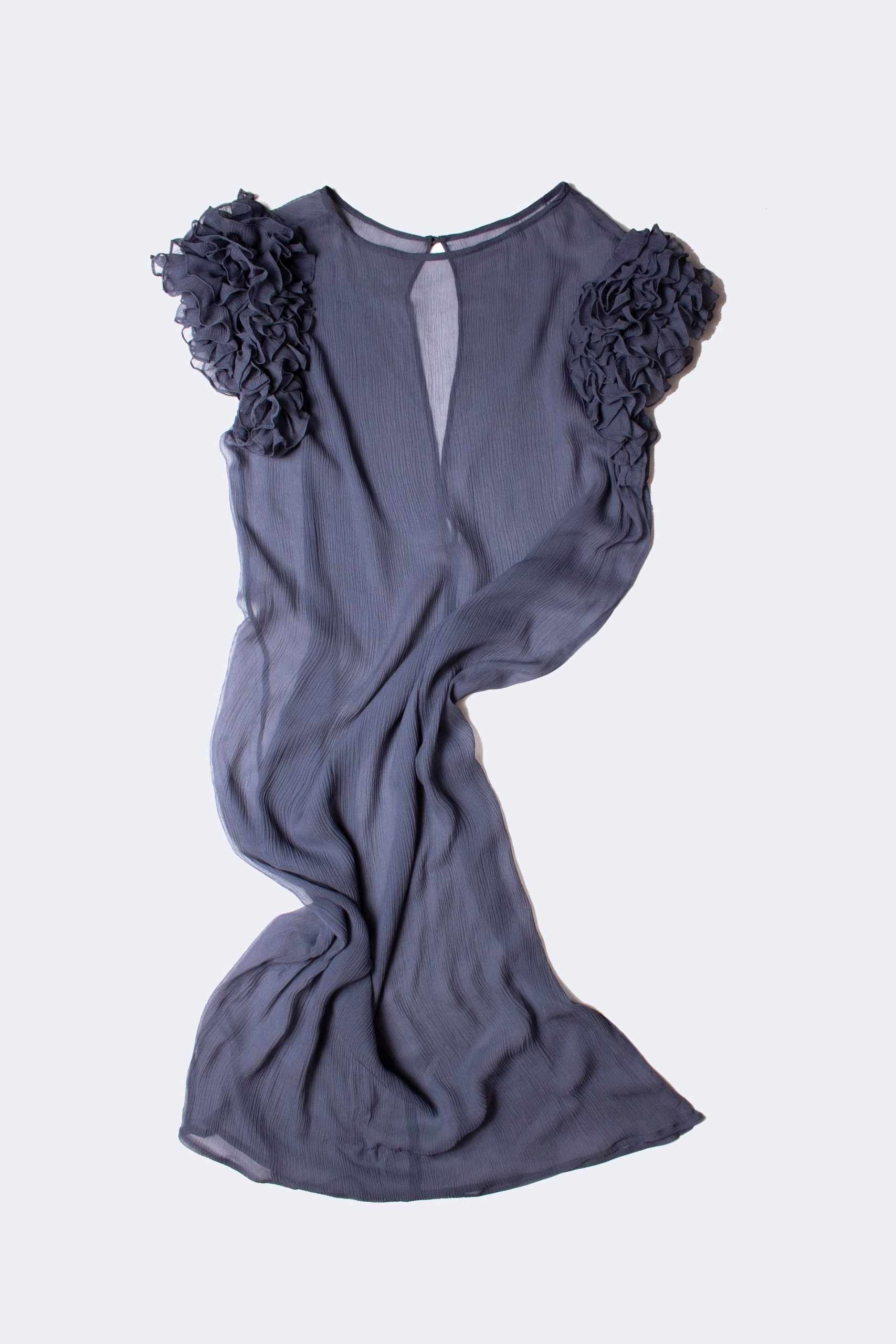
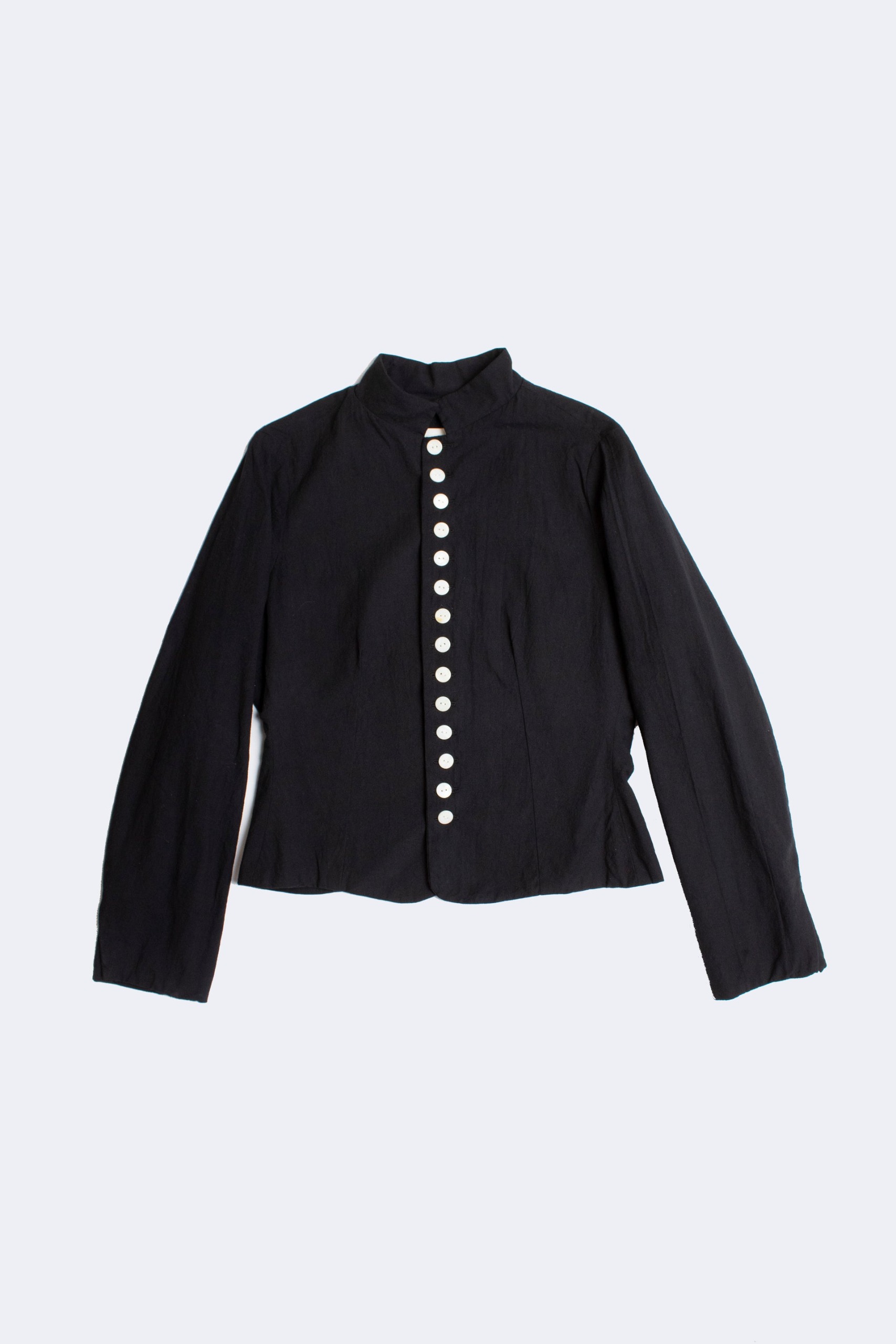
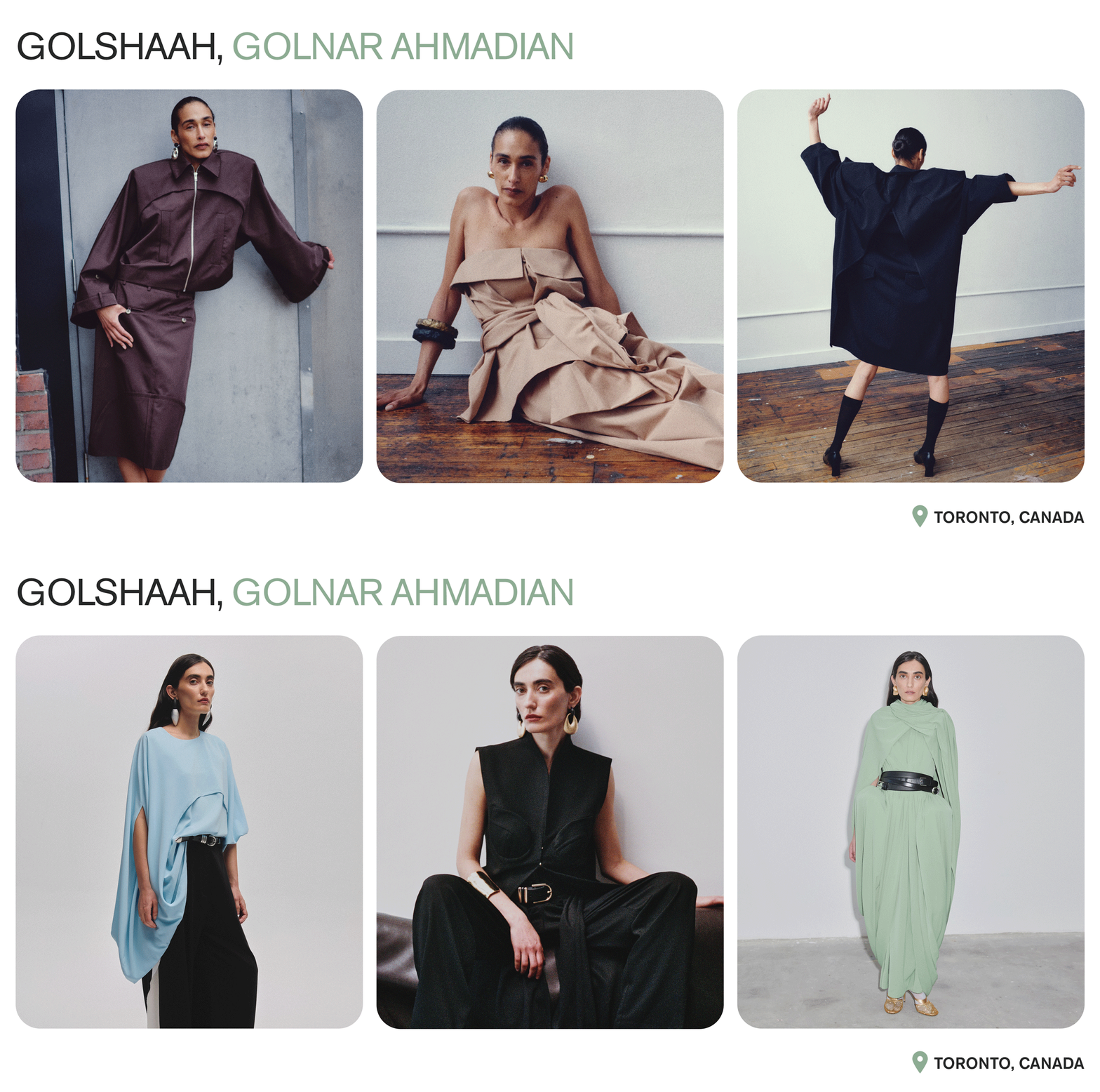
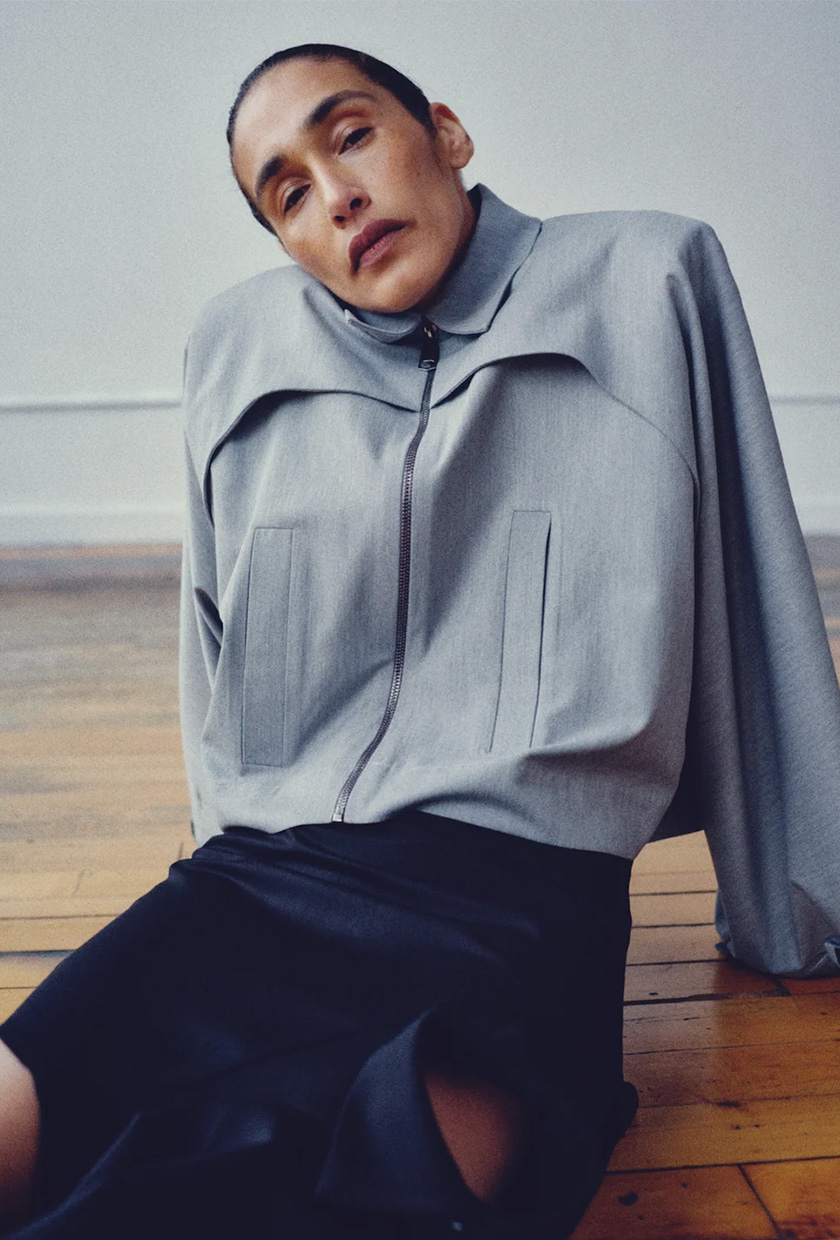
“Creating and bringing to life the ideas I have in my mind has always been a huge passion of mine. I grew up in a family where design played an important role, with parents who paid close attention to everything from what they wore to how they designed their home and office. Design became an important part of my upbringing and character,” Iranian Canadian designer Golnar Ahmadian tells Who What Wear. It was while studying architecture that she discovered how much she enjoyed designing. She then worked in fashion in various roles—sales, styling, and set design—which helped her find her niche. This culminated in her starting an accessories line called Lo’bat, which eventually led to creating Golshaah in 2022.
The designs are well-structured and tailored, inspired by where she grew up. “Growing up in Iran, I often had to layer my clothes, which became one of my first experiences with creativity, fabrics, styling, and layering,” she says. “I believe this remains a fundamental part of Golshaah.” Her distinctive approach has gained her two prestigious honors this year alone: semifinalist for the 2026 LVMH Prize and winner of the 2026 Canadian Arts & Fashion Awards’ Emerging Talent Award for Fashion.
As a designer, it’s a unique time to be in fashion given all of the changes going on in the industry. She says, “Like anything else, fashion is complicated, and we are living in a world where people are experiencing many challenges and emotions. As an emerging designer, I entered an industry where I had to learn many things along the way, and some of those lessons were difficult. However, I truly believe that the answer to pursuing anything today is to stay true to yourself and trust your instincts. Believe in what you feel will work for you. That authenticity will help you be seen and heard.”
How would you describe the Golshaah world?
The day I chose my brand’s name, I knew it would become an important part of the brand. I wanted a name that represented me and the future I envisioned for Golshaah in the best possible way. My close friends and family in Iran call me Gol instead of Golnar. “Gol” means flower in Farsi, while “shaah” means king. Golshaah has several meanings across different languages. In Farsi, it can refer to the most beautiful flower among all flowers. In Turkish, it can mean fighter, while in other languages, it can also refer to a man rather than a woman. It is a name that represents many of the values we believe in at Golshaah while also coming from part of my own name. For me, the Golshaah world is one of strength, beauty, individuality, and self-expression.
How does Toronto inspire you and your designs?
I can say that Toronto has inspired my work in so many ways. It’s the city that made me face some of my biggest challenges in life while, at the same time, giving me the courage to stay true to myself and trust my own voice. Living in such a multicultural city has allowed me to hear so many different stories, perspectives, and experiences, each of which has influenced my work in its own way. In a sense, Toronto also gave me the space to have my own story heard and seen through my designs.
Where do you go in your city when inspiration runs dry?
For me, inspiration comes from living life: having a social life, talking to people and listening to their stories, eating good food, watching great films, and visiting art galleries. The combination of these experiences and emotions inspires me the most.
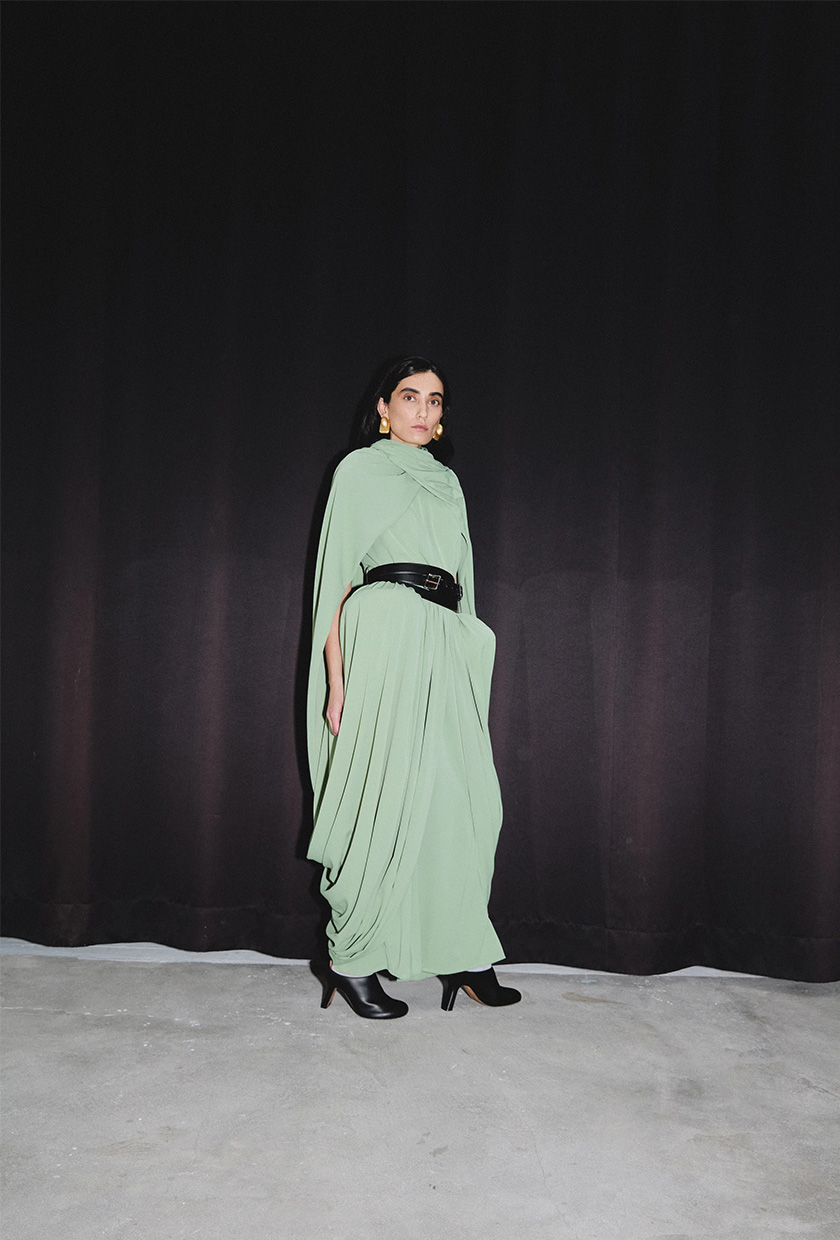
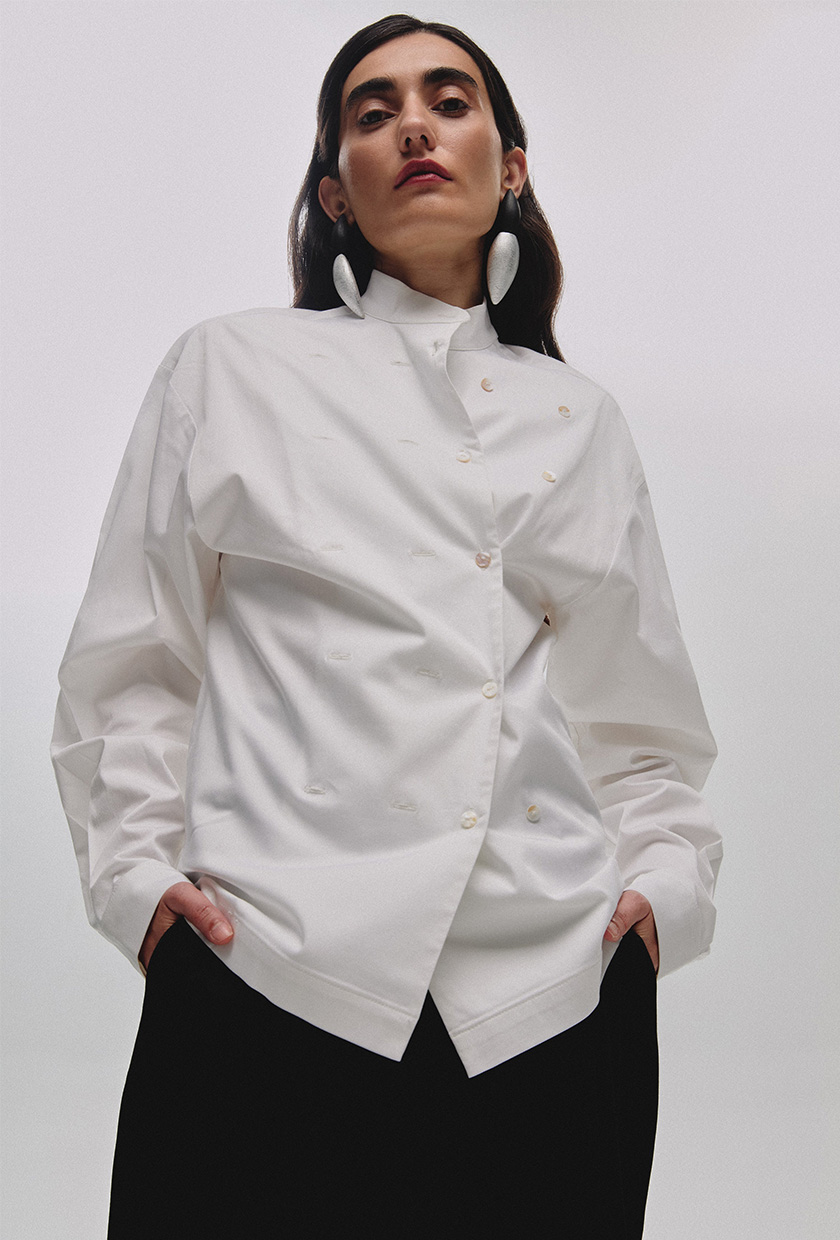
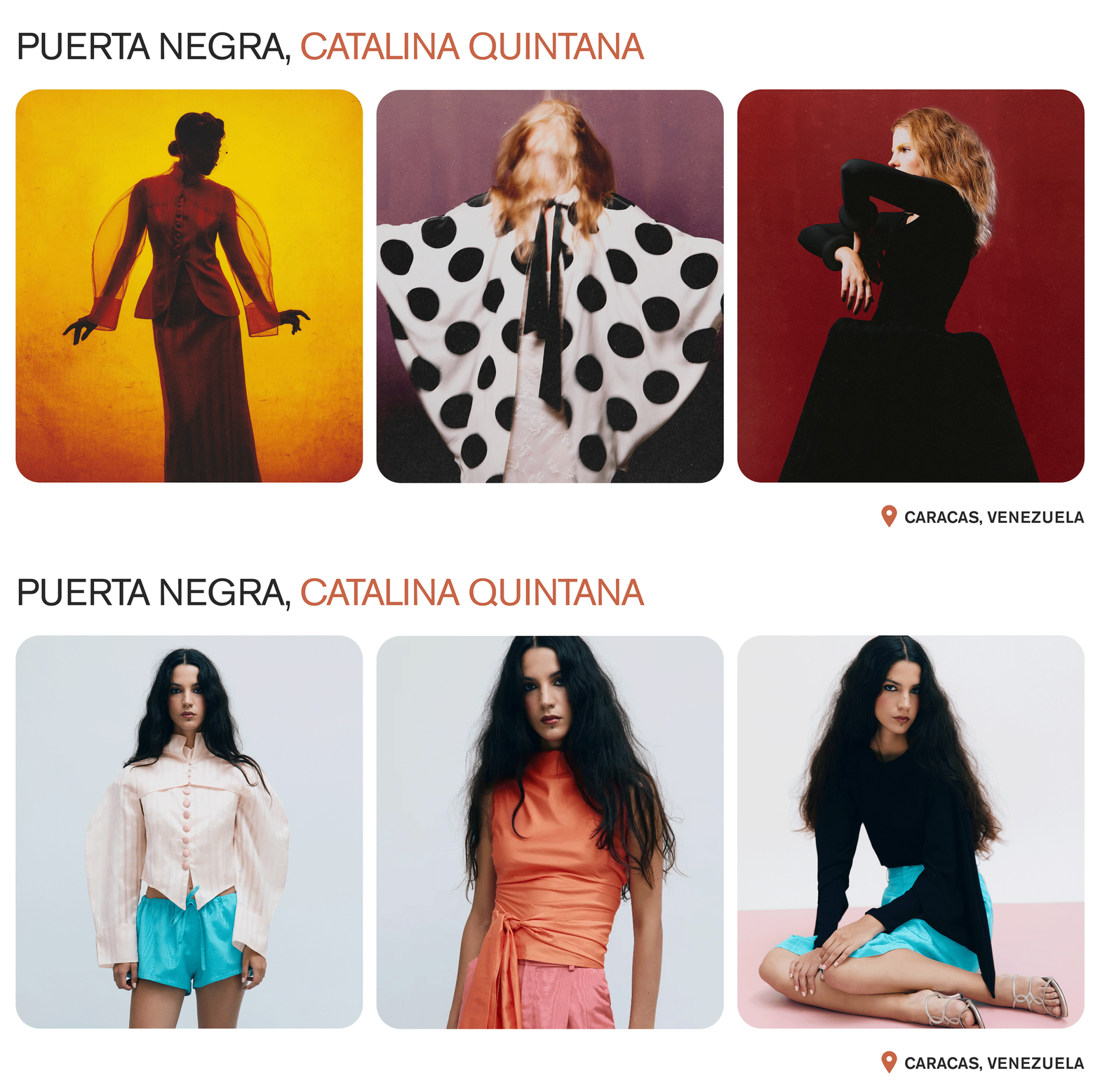
For Catalina Quintana, founder of the Venezuelan fashion brand Puerta Negra, becoming a designer was never a question. “It was less like a decision and more of a continuation of [my] environment,” she says. Raised by a father who was a sculptor and industrial designer, Quintana grew up immersed in a culture of making, where form, proportion, and materials were part of everyday conversations.
Rather than simply creating a clothing brand, Quintana set out to create a world of her own that exists between past, present, and future. At the heart of Puerta Negra is a romanticized vision of Venezuela’s past, approached through nostalgia, memory, and an autobiographical lens.
Each collection reads as another chapter in an ongoing conversation, revisiting familiar ideas from a new perspective. Inspiration, however, rarely begins within the fashion world. “I look to architecture, philosophy, cinema, painting, literature, or even a single object,” she says. “I’m more interested in how ideas can be translated into clothing than in referencing what’s already out there.”
This intentionality extends into the making of each garment. Quintana creates pieces steeped in history and sentimentality by reviving traditional sewing and construction techniques, pairing them with a distinctive eye for detail. Quintana says she owes this sense of craftsmanship to her hardworking team of women who have dedicated their lives to this kind of craft.
How would you describe the Puerta Negra world?
I’ve never wanted Puerta Negra to have a single interpretation. I like the idea that everyone experiences it a little differently. The things that inspire me—cinema, architecture, philosophy, friendship, memories—all find their way into the brand in one form or another. If there’s one thing that ties it all together and defines Puerta Negra, though, it’s curiosity.
How does Venezuela inspire you and your designs?
Venezuela shapes how I work more than how my clothes look. Designing and producing in Caracas means learning to adapt, solve problems, and stay closely involved in every part of the process. It has made me value craftsmanship and given me a deep appreciation for making things well, even when circumstances aren’t ideal. Caracas is a city of extraordinary contrasts. Modernist architecture sits beside tropical mountains, lush vegetation grows through concrete, and there’s a constant tension between beauty and disorder. That duality has shaped the way I think about design.
Where do you go in your city when inspiration runs dry?
If I need to reset, I’ll go for a hike at El Ávila. It’s one of the few places where the pace of the city falls away. I think creativity needs moments of silence just as much as it needs stimulation.
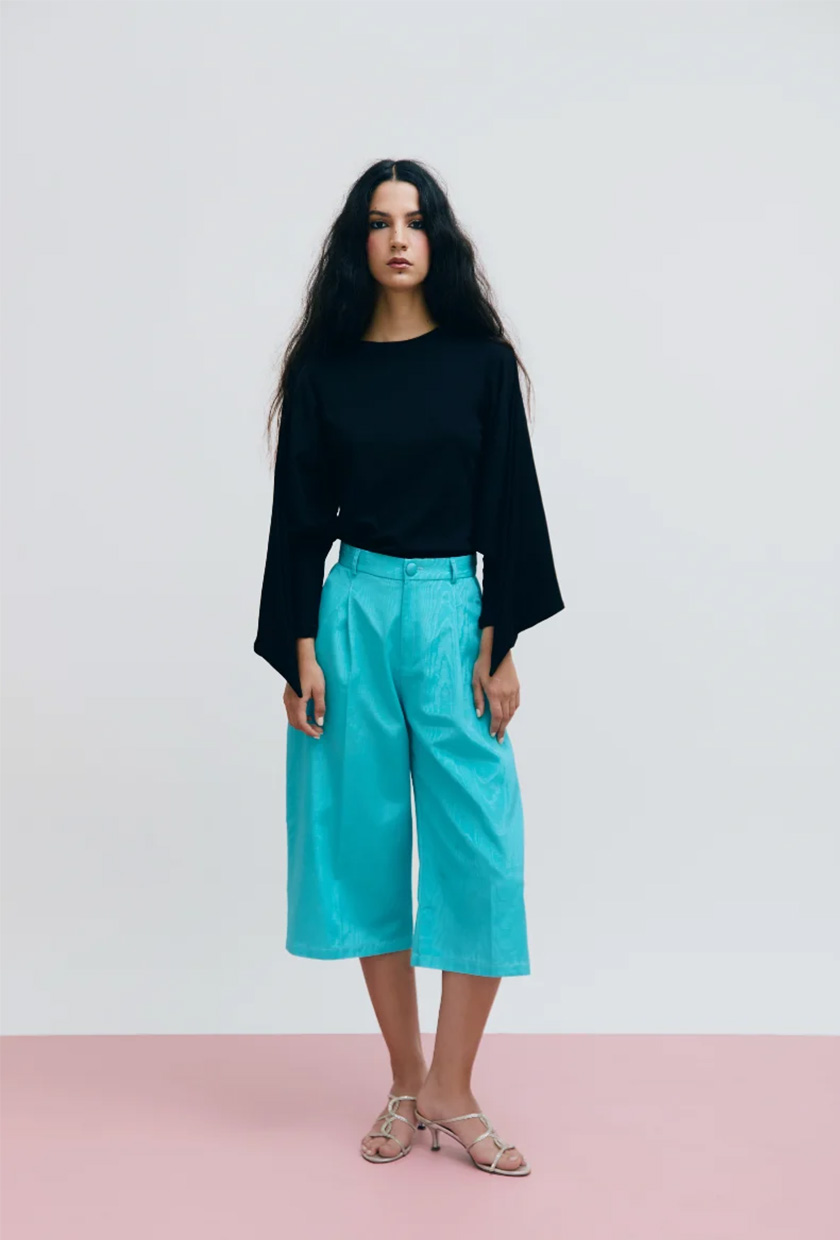
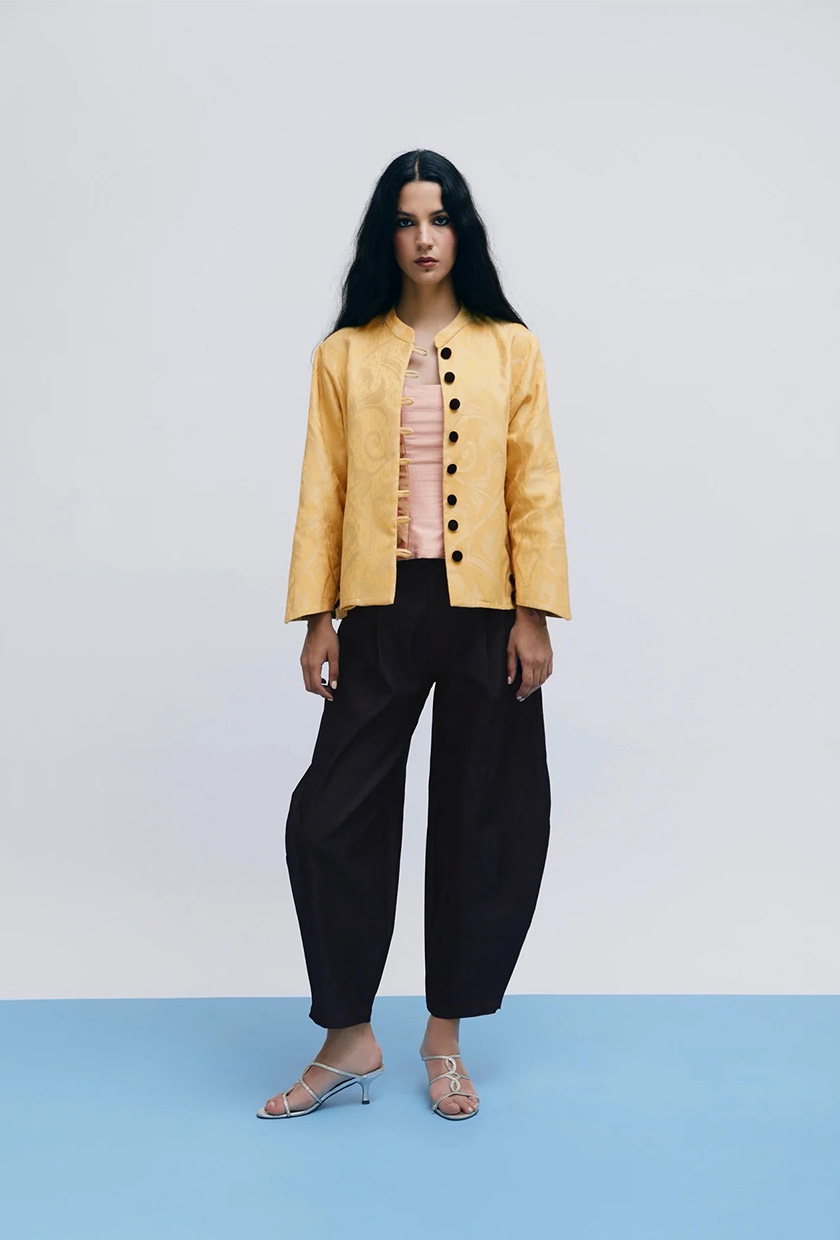
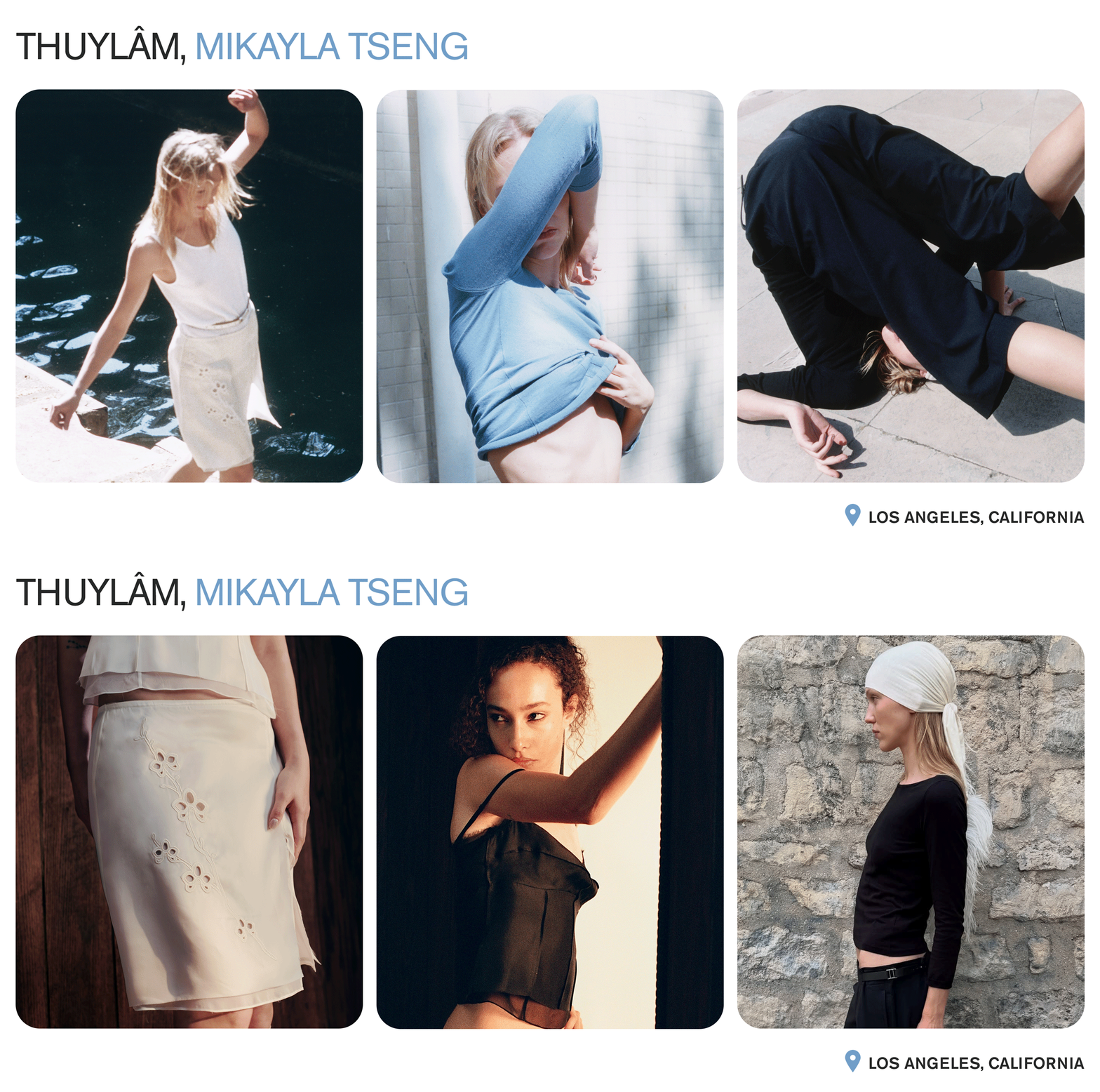
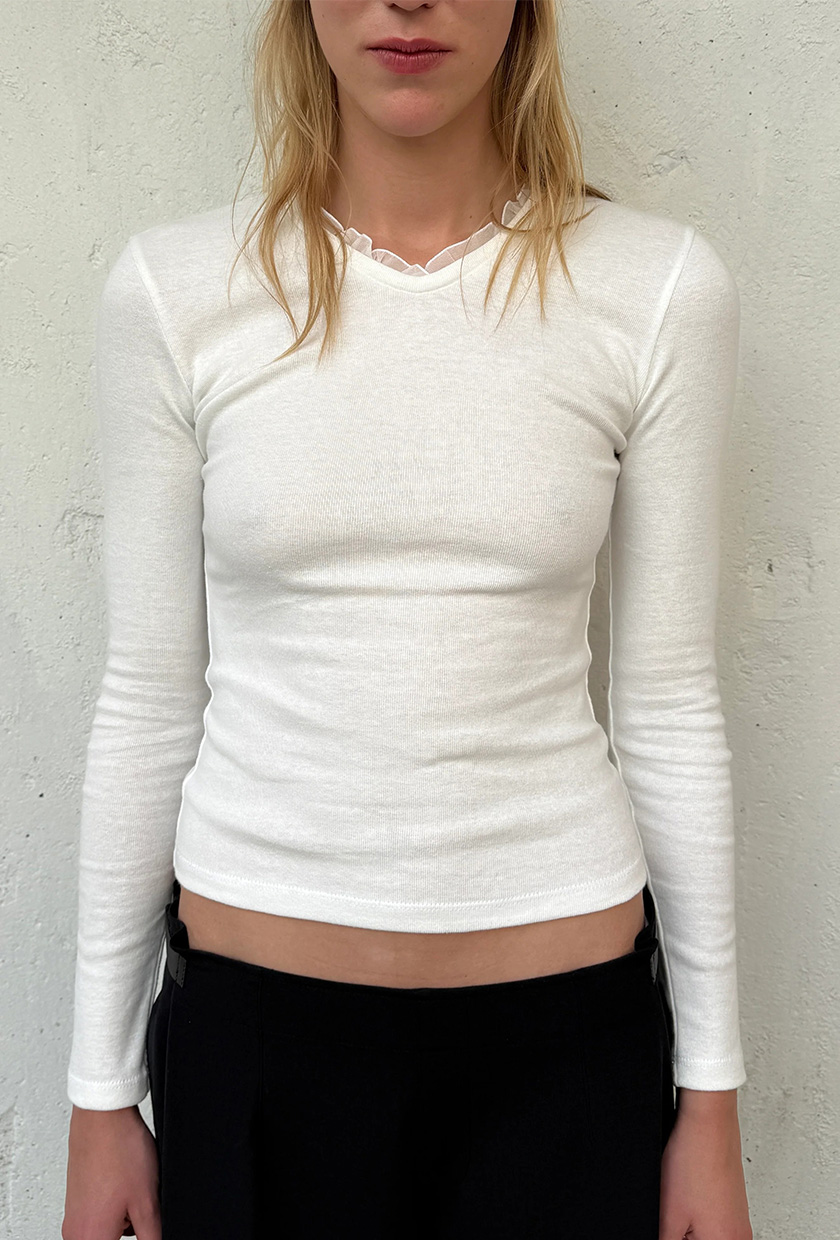
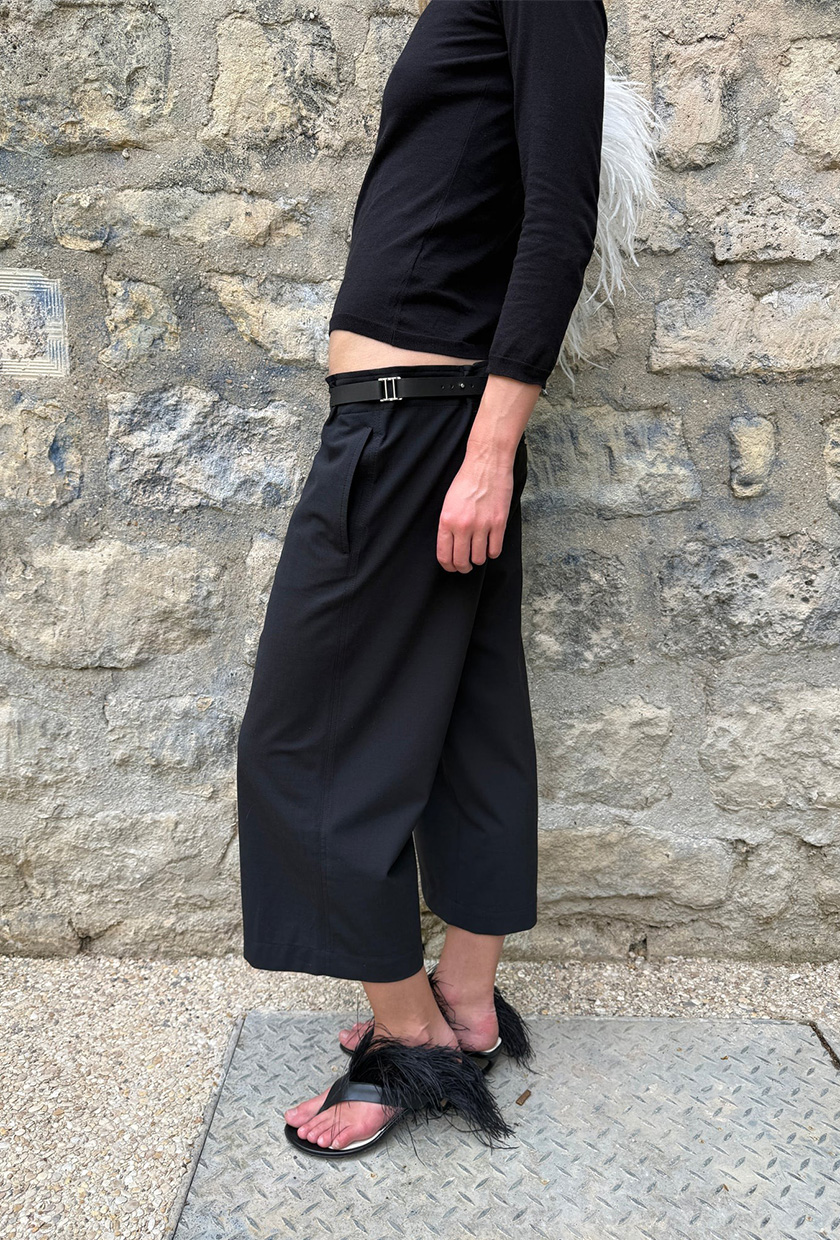
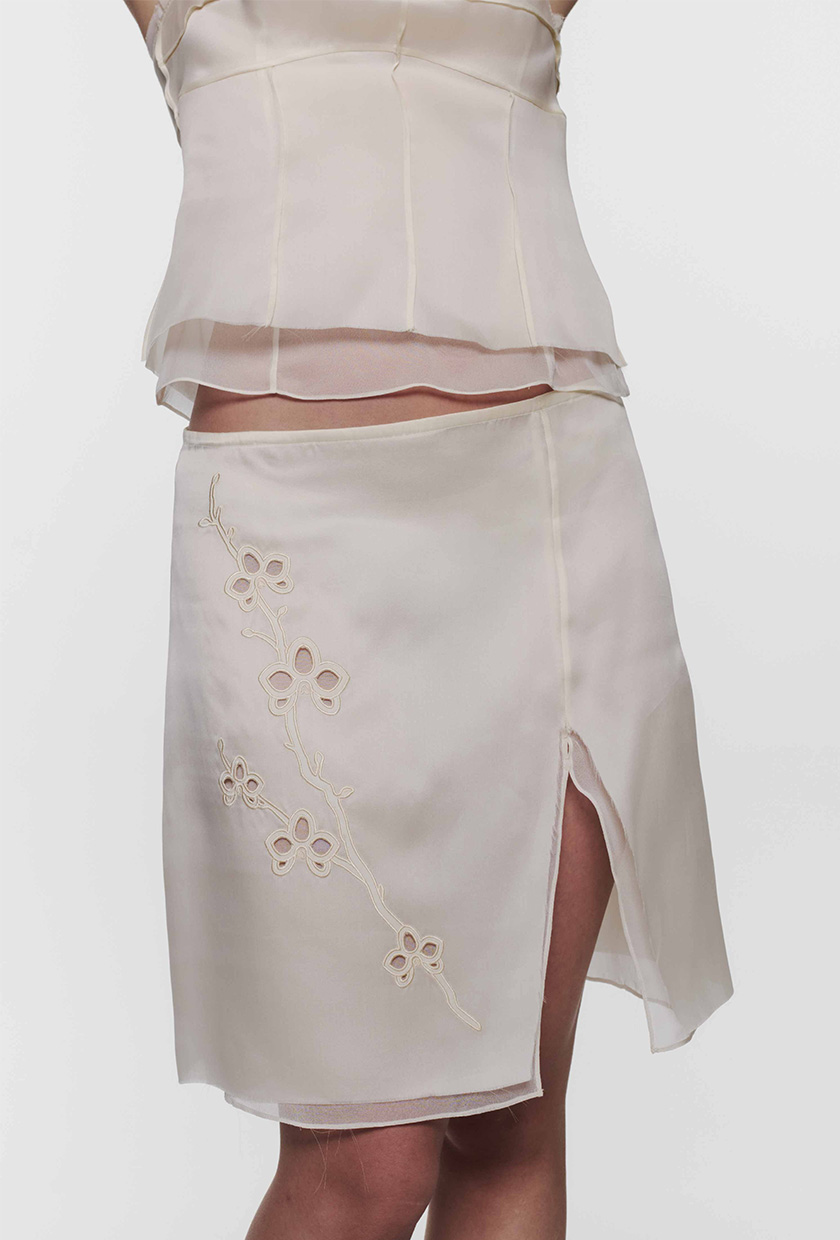
Founded just a year ago in New York City, Thuylâm means “little forest” in Vietnamese—where both of designer Mikayla Tseng‘s parents are from.
Her path to fashion wasn’t conventional. “I grew up as a student athlete. Swimming was my whole life, and fashion never really existed for me until later. I didn’t take the traditional route to building this brand. I didn’t study clothing design or business, but I did study graphic design, which works hand in hand with this industry,” she says. “I became fond of how clothing can make you feel, how you can become different versions of yourself at any given moment, and how a color or silhouette can boost your mood and confidence. I became obsessed with thoughtful details and mixed materials, the things you don’t necessarily notice at first glance, but when you really look at a piece, they’re what make it unique. From garment design to brand identity, I love that you can create an entire world around an idea, and there are endless possibilities for what it can become. I think that’s what really pushed me to start Thuylâm. I wanted to take everything I had learned, trust my own taste, and make something that felt like me.”
After moving to NYC, she worked across design, production, and graphic design at various fashion brands, but Tseng always knew she wanted to build something of her own. “The hardest thing to do is start,” she says. “We are our biggest critics and worst enemies at times, but taking action and starting something you truly believe in is so valuable and rewarding. You never know what could happen, and of course, it’s scary, but once it’s out there, you learn more about what is actually necessary. You won’t know your audience or what pieces will sell well if you don’t put something out. Each season is like throwing a dart into thin air, but the most important advice I can give is to keep going and not let anyone convince you that you can’t do it. Surround yourself with loved ones and people who actually believe in you and the brand.”
Being such a new label, it’s entirely self-funded and run by Tseng on her own. “I have to put myself in different shoes at all times—being a designer, handling production, running socials, and being my own cheerleader. Nowadays, you need to be well-rounded in all aspects, not only design, to build a brand,” she explains. She also makes everything in small batches to avoid overproduction. She adds, “I really care about quality, fabrics, and details when it comes to Thuylâm pieces, and I found my current production team in Northern Italy, a team that really values craftsmanship. Our next collection and everything moving forward will be produced there.”
As for what’s next, Tseng says spring/summer 2027 will be the biggest collection yet: “I really focused on beautiful fabrication and played more with color this time around. I wanted this collection to feel like an evolution of the brand while still keeping the thoughtful details and personality that make Thuylâm what it is. The most important thing for me is to build something slowly, carefully, with longevity and intention.”
How would you describe the Thuylâm world?
The Thuylâm world is playful, elegant, romantic, and a little sexy. The people in our world are strong, beautiful, witty, and completely themselves. I want Thuylâm to feel like a world you can step into but still make your own. I never want the clothes to wear the person. I want the person wearing Thuylâm to bring the pieces to life in their own way. The same piece can feel completely different depending on who is wearing it and how they style it. I also want the clothes to become a part of someone’s crazy life and be there for the moments they remember. I love the idea that a Thuylâm piece can hold a memory and mean something different to every person who wears it.
How does L.A. inspire you and your designs?
I find inspiration everywhere, not from one singular place. Much of my inspiration comes from being around friends and family, seeing what they’re drawn to in the moment, and from art and architecture.
Where do you go in your city when inspiration runs dry?
I go to South Pasadena and walk through this one neighborhood that has huge homes. I walk there with no music, just empty ears, and listen to what’s around me. That area is super peaceful, with beautiful trees everywhere. It’s a place where I can think through stressful situations, calm my nervous system, and usually find inspiration again.
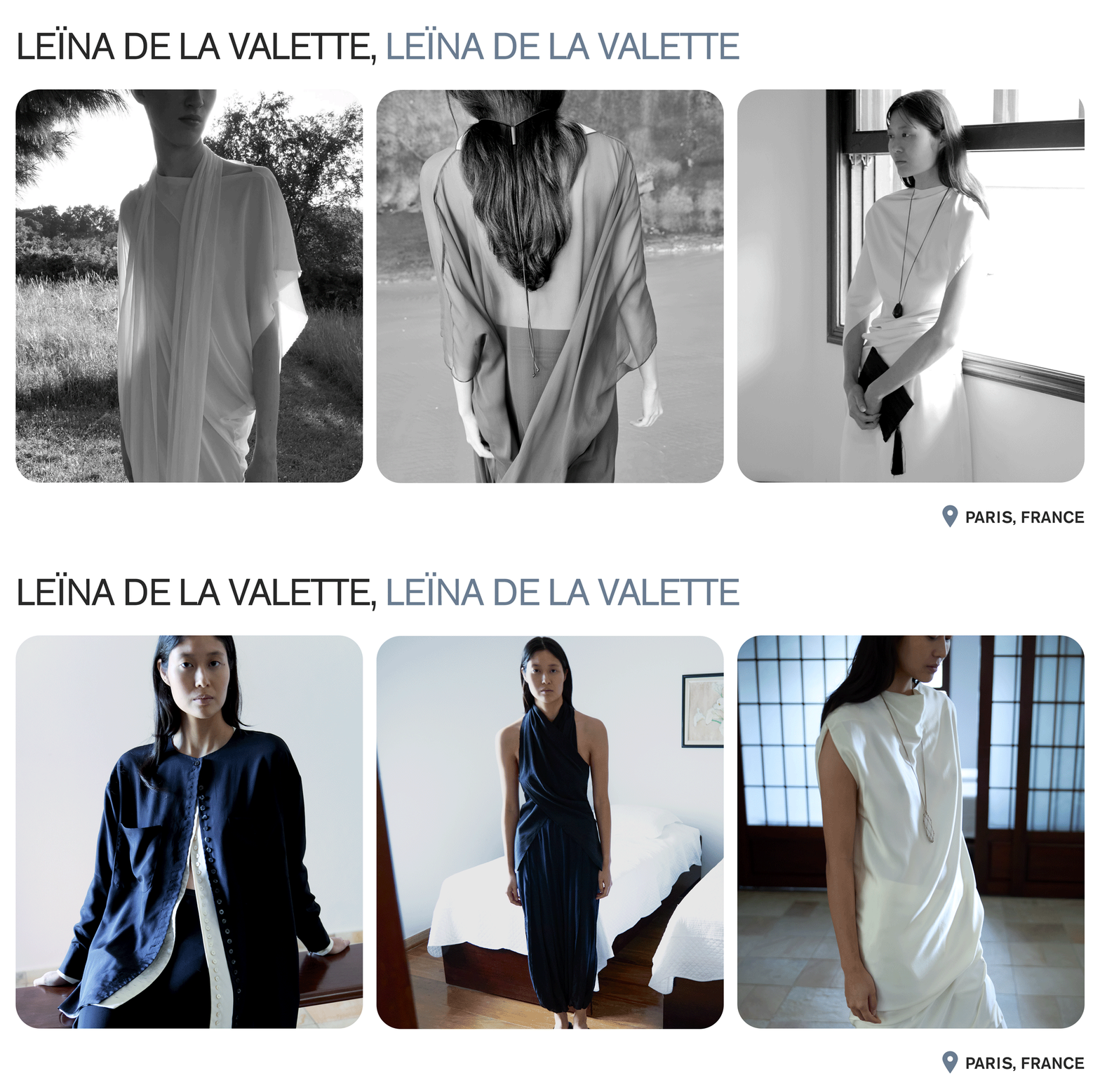
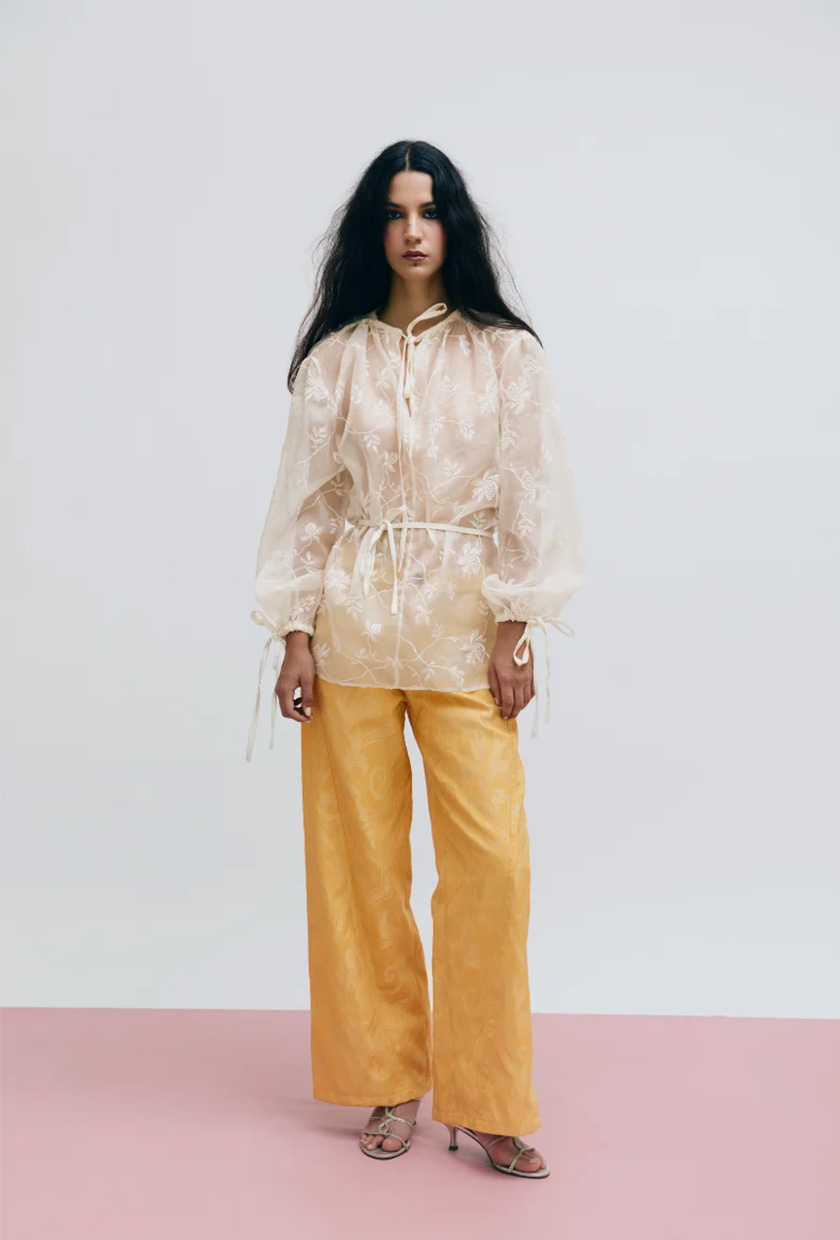
“At 7, I asked my mother what job entailed drawing and dressing women,” recalls Leïna de La Valette, founder of her eponymous label. Her mother answered with “fashion designer.” At the time, it was simply a child’s question, sparked by an early fascination with clothes and the women who wore them. In hindsight, however, it feels like an early glimpse of the path she would eventually take, and it makes sense given what she was surrounded by.
De La Valette’s grandmother, a descendant of São Paulo’s Japanese community, taught patternmaking at a renowned pattern school in Brazil, and her grandmother’s sister ran a silk textile factory, producing small collections of silk garments. De La Valette’s mother was equally immersed in this world. She wore made-to-measure silk clothing throughout her life and preserved the wardrobe her mother created for her. “When she could no longer wear these pieces, she passed them on to me,” de La Valette says. The garments offered a tangible connection to her family’s history and would eventually become her vision as a designer.
Her formal journey into fashion began on her 14th birthday, when she asked her parents for a sewing machine. She bought Burda Style magazines to teach herself but ultimately relied on her intuition and innate skills to learn and create.
That curiosity led her to study design and patternmaking at L’École de la Chambre Syndicale de la Couture Parisienne, which is now known as the Institut Français de la Mode. She went on to spend nearly a decade designing womenswear and accessories at Chloé, Givenchy, and Patou before becoming independent. “Seeking greater creative freedom and a more meaningful approach to fashion, I traveled through Japan and Brazil to reconnect with my heritage and work alongside artisans preserving rare craft traditions,” she says. Alongside freelance collaborations, she developed her own pieces, rooted in draping, craftsmanship, and silk. In 2026, around the time she launched her brand, she was selected for the AZ Academy Business for Designers program, sponsored by Richemont in partnership with Accademia Costume & Moda. “The program helped me strengthen both my business strategy and professional network,” she says.
Now, de La Valette is looking ahead to launching her private atelier in Paris in September 2027, where garments will be designed with a slow-fashion approach and built on French elegance, Japanese philosophy, and Brazilian sensuality. From wrap skirts and draped dresses to fitted jackets and cape blouses, Leïna de La Valette’s entire collection will focus on using exclusive leftovers of the finest silk and antique kimono silk to prove that the delicate material is not just for special occasions and can be worn every day by those who are looking for effortless sophistication.
It’s important to commit to your work and perfect your technique, and de La Valette is busy building and growing, but she wants to remind those who will listen, “Don’t forget to live.”
How would you describe the Leïna de La Valette world?
I’m trying to create an aesthetic that reflects my multicultural identity: French elegance, Japanese philosophy, and Brazilian sensuality. My goal is to create bridges between these three continents and develop a hybrid language that balances these three influences. I have always felt “in-between.” I think that struggle pushes me to create something I can fully recognize myself in and offer an aesthetic for people who resonate with me.
How does Paris inspire you and your designs?
Paris is demanding but also incredibly culturally nourishing. I didn’t realize until I left what a privilege it was to live in and around the city my whole life. I’ve often wanted to leave, yet I keep feeling pulled back whether I plan to or not. I wish I had realized earlier all it has to offer.
Where do you go in your city when inspiration runs dry?
In Paris: Preclothed, 3 rue Bonaparte (in their archive space, which is getting more full of wonders every day). In São Paulo: Copan, an immense and beautiful curved building designed by Oscar Niemeyer. It’s a dynamic hub for creatives. I had the chance to live in it for a few months and enjoyed the whole area. In Kyoto: Visit artisans and their ateliers, do workshops, and observe every little detail of their houses.