If you’re one of the estimated eight million women in the UK experiencing some form of hair loss, chances are you’ve found yourself scrolling through the ever-expanding world of hair-growth treatments in search of something that actually works. From scalp serums and peptide-packed formulas to LED light-therapy devices and supplements promising thicker, fuller strands, the options can feel endless, which makes knowing which are worth the investment another matter entirely.
While hair-growth products have exploded in popularity in recent years, there is one ingredient that trichologists agree is still the most evidence-backed option: minoxidil.
But how exactly does it work, and is it suitable for everyone? Can it help with the shedding associated with hormonal changes, stress or rapid weight loss? And what happens when you stop using it?
I spoke to two leading trichologists, Eva Proudman, Absolute Collagen’s resident trichologist and Tiffany Hall, trichologist and founder of Trichology, to separate fact from fiction, exploring how minoxidil works, whether it’s safe to use long-term, and what you need to know before incorporating it into your haircare routine.
What Is Minoxidil?
“Minoxidil belongs to a group of medicines called vasodilators, which means that it helps to widen blood vessels to increase blood flow,” reveals Proudman.
Proudman tells me that back in the 1950’s it was used orally to treat blood pressure but was found to be unstable. However, researchers quickly noticed that the patients treated started to experience improvement in hair growth, and that’s how topical minoxidil lotions you see today were developed.
One of the most research-backed treatments for hair loss, there are many clinical studies demonstrating minoxidil’s efficacy in promoting hair growth and improving hair density.
In the UK, you can buy topical minoxidil from pharmacies without a prescription (although oral minoxidil does require a prescription) or from telehealth services such as Hair+Me.
Why Is Minoxidil Good for Hair Growth?
Minoxidil is a vasodilator, which simply means it widens the blood vessels. This brings more blood, oxygen and nutrients to the hair follicles (the tiny pockets in the skin that each hair grows from).
But it also helps in two other ways, says Hall. “Firstly, it lengthens the growth phase. Every hair goes through a cycle of growing, resting and shedding. Minoxidil helps hairs stay in the growing stage for longer.”
Secondly, minoxidil works to thicken fine hairs. ‘In pattern hair loss, follicles gradually shrink and produce thinner, weaker hairs. Minoxidil can help them produce thicker, stronger hair again. It works best for androgenetic alopecia, the medical name for male and female pattern hair loss,’ adds Hall.
What Are the Drawbacks of Minoxidil for Hair Growth?
The bad news is minoxidil doesn’t work the same way for everyone. “To work on the hair follicles, it first has to be ‘switched on’ by an enzyme, a natural substance in the body that triggers a chemical change,” reveals Hall. Some people have more of this enzyme in their scalp than others, which is why one person may see great results while another sees very little.
To remove the guesswork, and to save you washing your money down the drain, Hall recommends taking a TrichoTest. “It is a simple genetic test, usually taken with a quick mouth swab,” she reveals. The test looks at the genes linked to hair loss and to how your body responds to different treatments, including minoxidil. “The results help your trichologist recommend the right type, strength and formula for you, rather than relying on trial and error,” adds Hall.
As for side effects, Proudman explains that topical minoxidil is generally well tolerated, but for some people it may cause scalp irritation, dryness and itching. She adds, “This can be well managed with a good shampoo and conditioner and frequency of washing.”
Back in 2024, an unwanted side effect went viral on TikTok. Sharing a video that now has over a million views, TikToker Maria says, “Do y’all see the hair growing on my face? I have never had this much hair on my face ever! I don’t understand why this [minoxidil]; I put it on my scalp! So I don’t understand how it’s making hair grow down here.” [sic]
Proudman explains that it is uncommon. “I see 250 patients every month, and some find some unwanted facial hair growth and/or an initial increase of hair shedding, but I really do find this to be minimal.” She clarifies that oral minoxidil comes with more side effects and can only be tolerated at low doses. “It’s why I prefer to work with topical minoxidil,” she adds.
How to Apply Minoxidil
Proudman advises following these steps when it comes to applying topical minoxidil.
1. Part the hair in the centre and apply the minoxidil to the centre parting, massaging along the parting to the crown and forward to the hairline.
2. Leave a gap of two fingers to each side of the centre and part to the left and right side; apply the minoxidil to the side parting, massaging along the parting and into the temple and hairline on both sides.
I use a metered spray that makes application very quick and easy and avoids coating the hair. You can find various forms of minoxidil, from foams to liquids, all with their own application details.
If you don’t want to try minoxidil just yet, we’ve rounded up six hair growth alternatives that we rate.
More Products for Hair Growth
1. Champo Growth Serum
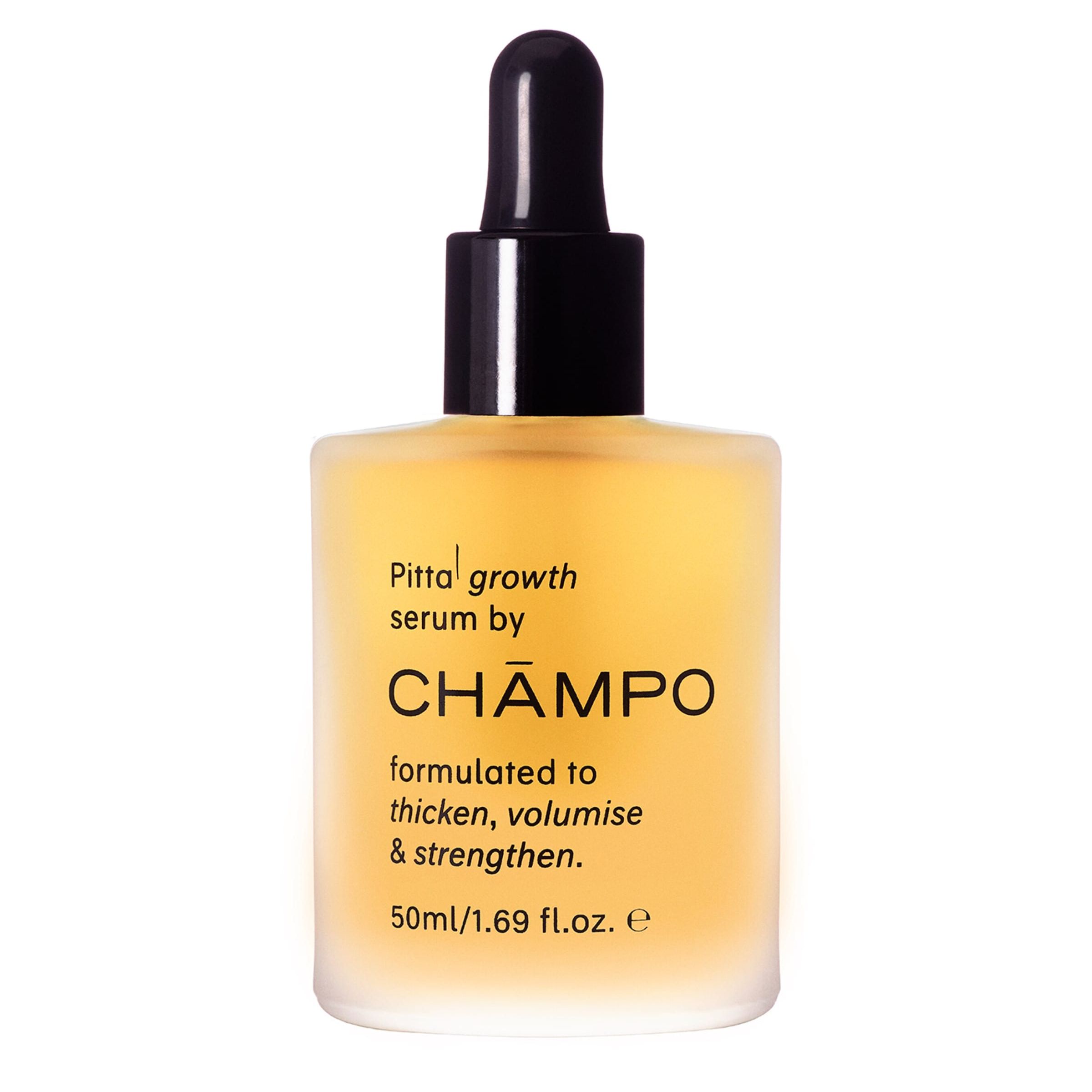
Many beauty editors rave about this product, and for good reason. It combines caffeine, acetyl tetrapeptide-3, red clover extract and Haritaki fruit extract to target hair shedding and support growth. Working in as little as 12 weeks, 90% of users experienced less hair loss when using it daily.
2. K18 FutureIQ Biomimetic Hair Longevity
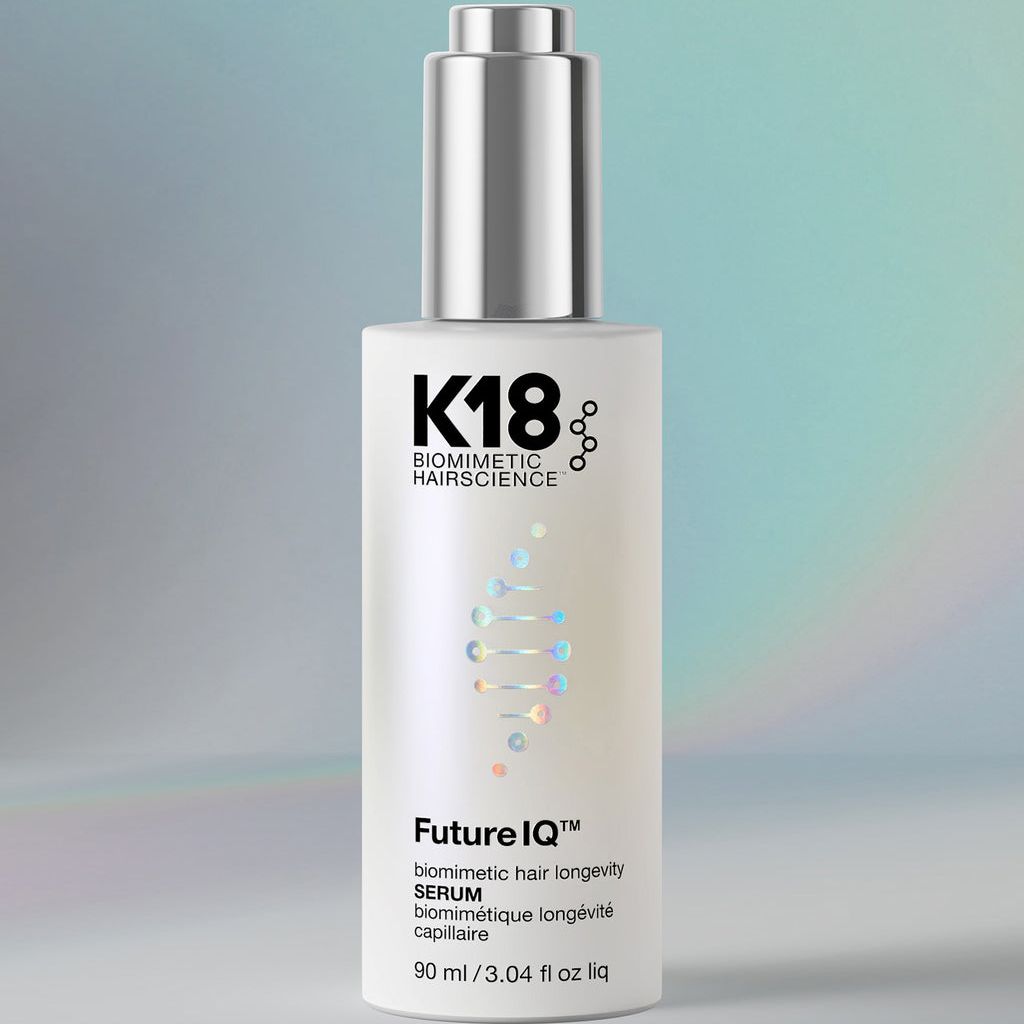
With its patented MultiVital™ technology, biomimetic peptides and antioxidants, this hard-working hair serum supports melanin production, protects against oxidative stress and helps reduce hair fall. In a 12-week clinical study, 70% of participants saw fewer grey hairs, while results also showed improvements in hair density and scalp-barrier health. A brilliant all-rounder, it’s perfect for those who want to boost hair volume and delay greying.
3. Obagi Nu-Cil BioStim Scalp Serum
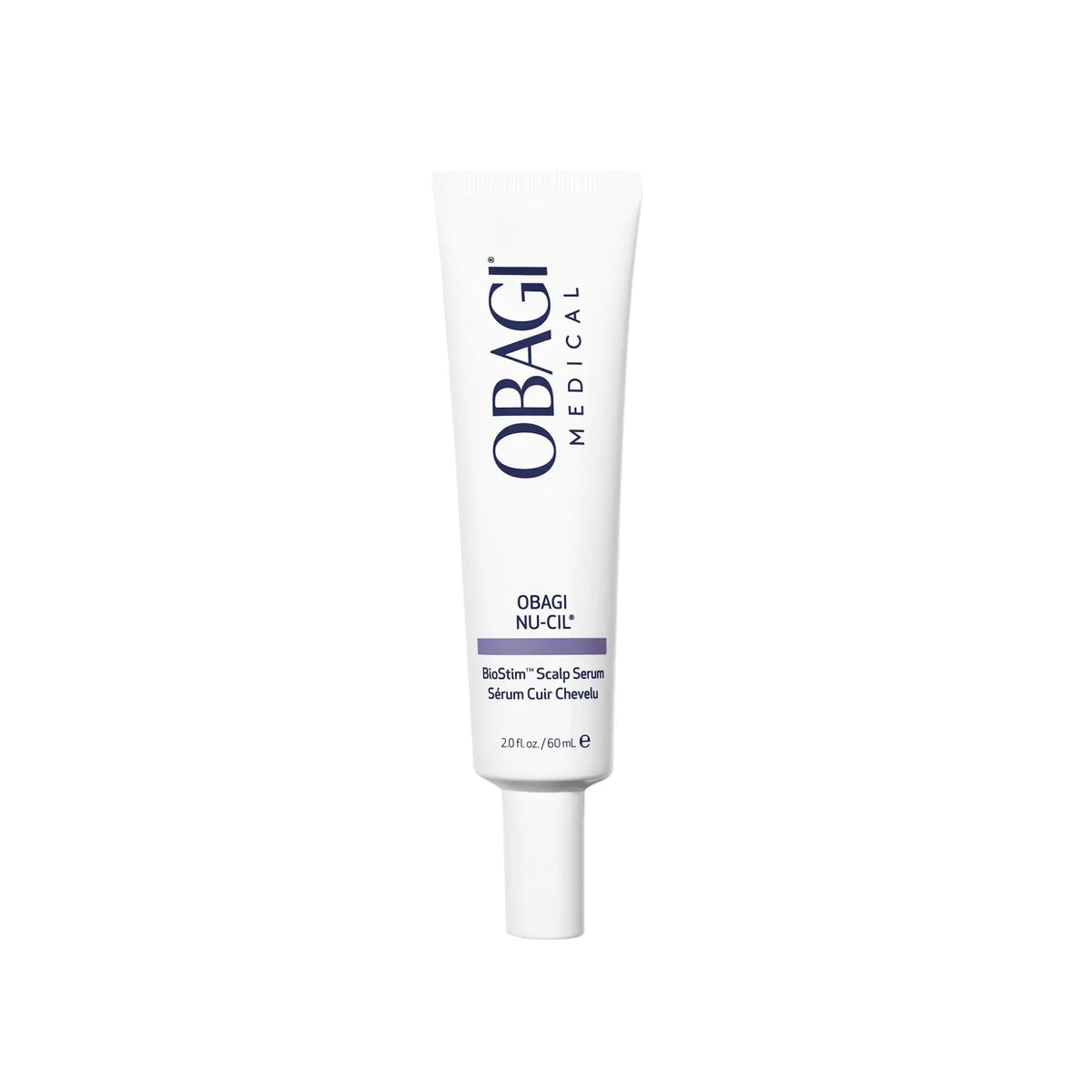
What makes this scalp serum stand out is its targeted blend of peptides, caffeine, niacinamide and biotin, which support the scalp and hair resilience. The formula also contains panthenol to help hydrate a sensitive scalp. As for the results? In a 24-week clinical test, Obagi reported a 52% improvement in hair volume compared with an untreated control group.
4. Augustinus Bader The Scalp Treatment
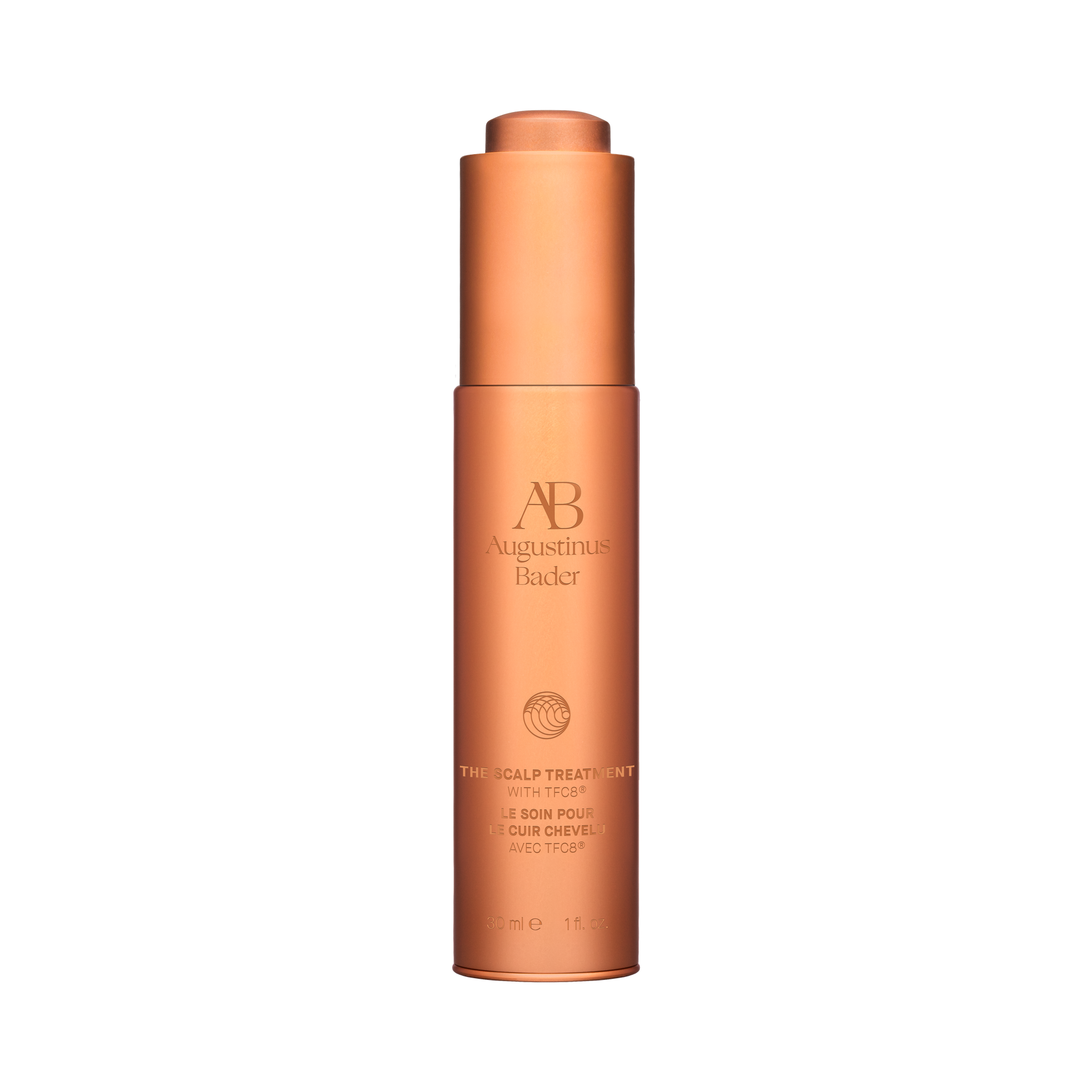
If you’re looking for a little luxury, this premium option nourishes the scalp thanks to the brand’s TFC8® technology, which focuses on creating a healthier scalp environment while helping hair look stronger and more resilient.
5. UKLash Hair Growth Serum
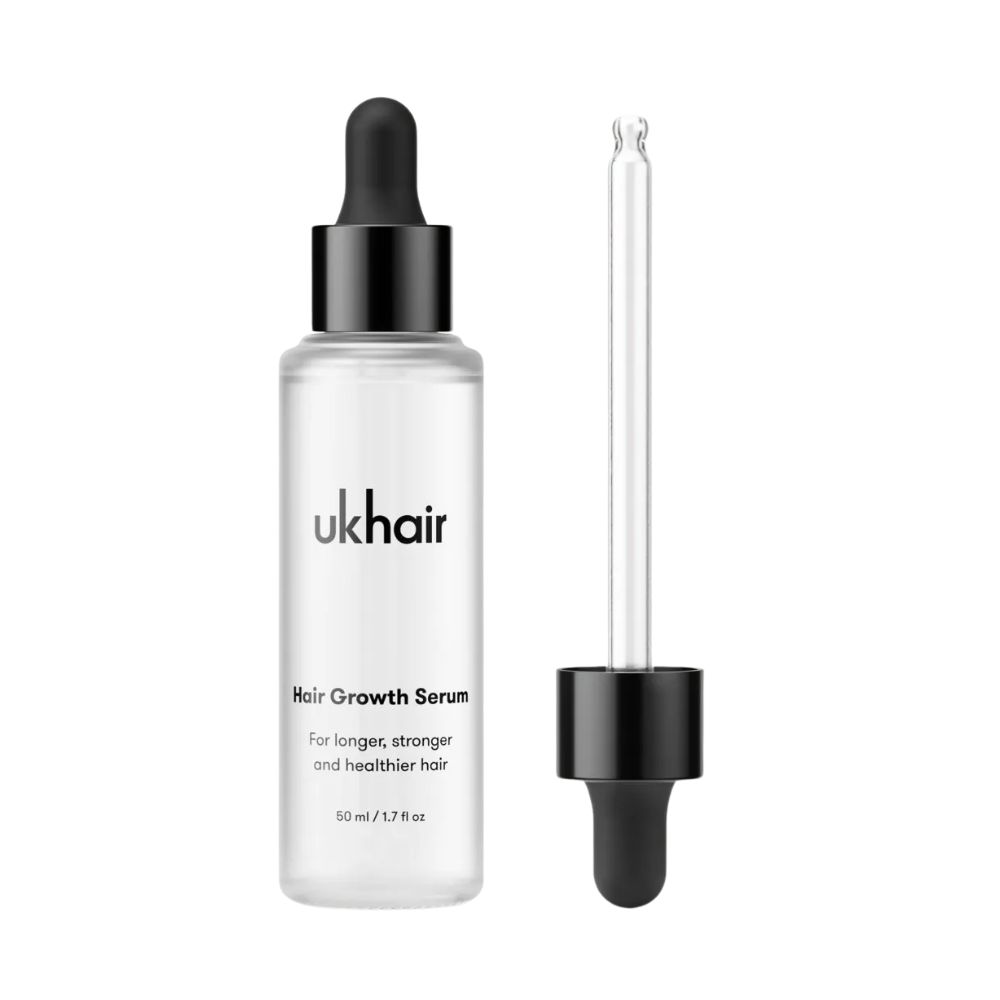
If you have fine hair, this serum is a great option for giving your roots a little extra TLC. Its lightweight formula is designed to support healthier-looking, fuller hair without leaving it feeling heavy or greasy.
6. The Ordinary Multi Peptide Serum
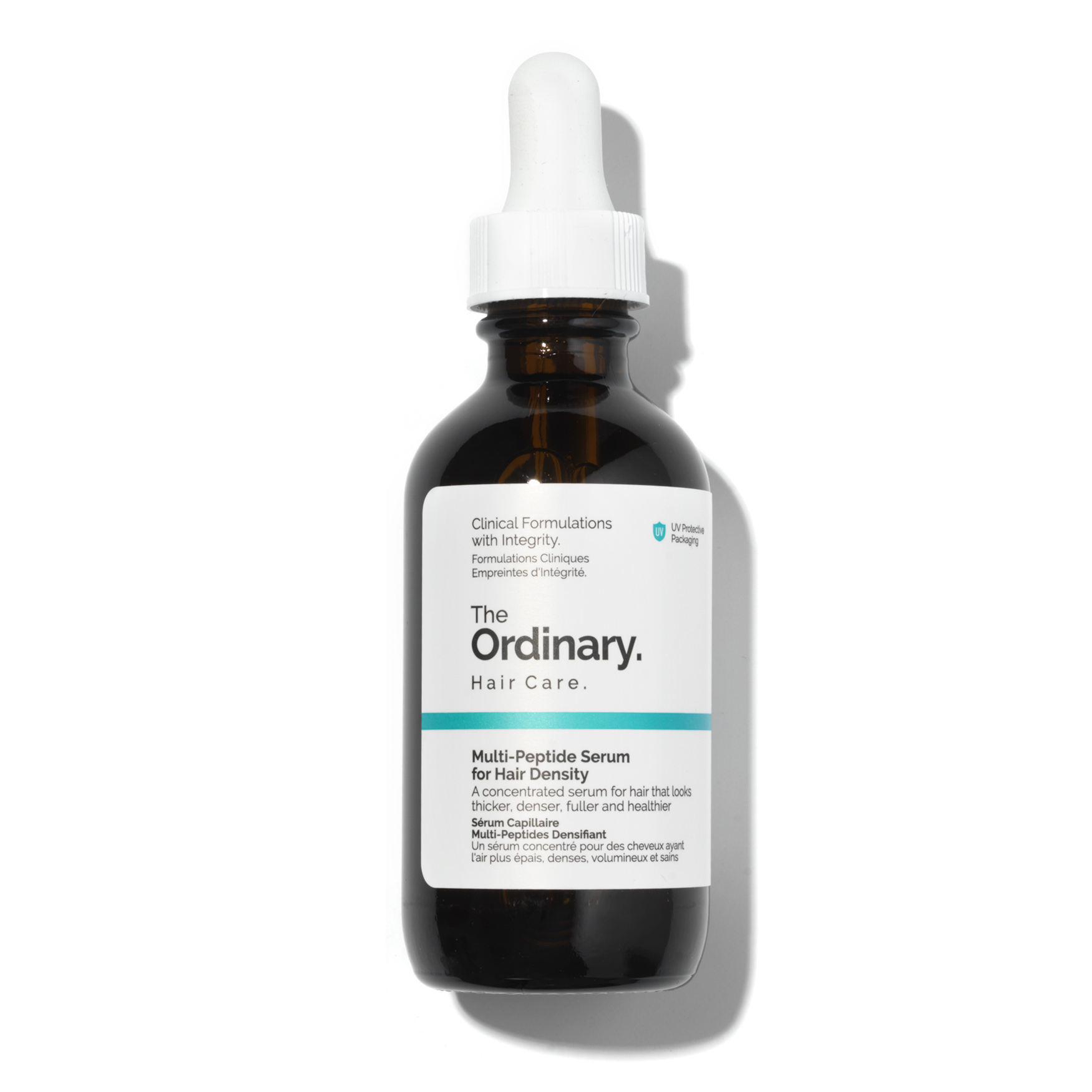
Don’t want to spend a fortune? This is a great budget-friendly option. It’s lightweight, easy to add to your routine, and designed to help hair look thicker and fuller thanks to peptides, caffeine and plant-derived extracts. While it isn’t a proven alternative to minoxidil for hair regrowth, it’s a lovely, affordable option if you’re looking to step up your scalp-care routine.
Why Trust Us
At Who What Wear UK, we know that beauty isn’t one-size-fits-all. Our editors have tested thousands of products over the years—spanning skincare, makeup, hair and nails—and work closely with trusted experts including dermatologists, makeup artists and leading industry insiders to ensure every guide is well-researched, inclusive and relevant to you.
We focus on formulas that deliver, whether they’re affordable favourites or luxury investments. Our product selection is based on tangible results, ingredient know-how and what we’d truly recommend to a friend